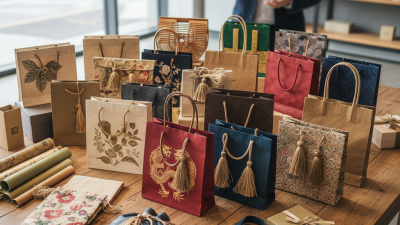
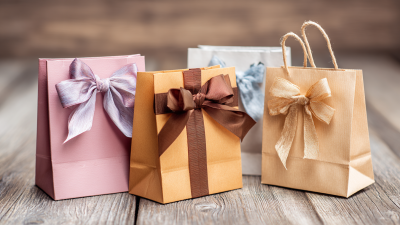
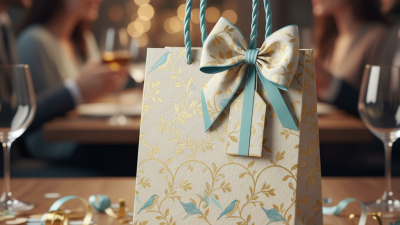
You know, when it comes to Gift Bags, their importance in the global market really can’t be ignored. I mean, a report from Grand View Research suggests that the entire packaging industry might hit a whopping $1 trillion by 2025, and gift packaging is a big part of that growth. It’s kind of exciting because it shows how more and more people want personalized and sustainable options—that’s what consumers are really into these days.
Looking ahead to 2026, we’re probably going to see Gift Bags taking the spotlight with all sorts of cool, innovative designs made from eco-friendly materials. Companies like Paper Mart and ULINE seem to be leading the charge on sustainable products, which is pretty awesome. Of course, the tricky part is finding the right balance—making Gift Bags look good while still being practical. A lot of businesses struggle to get high-quality materials without breaking the bank, you know?
As buyers around the world check out their options, it’s super important for brands to understand what people want: versatile and stylish Gift Bags that fit the bill. If a brand can stay ahead of the trends and also deliver reliable, quality products, it could really stand out from the crowd. Those thoughtful, well-designed Gift Bags don’t just make the presentation better—they can actually boost customer satisfaction and help increase sales. So yeah, choosing the right Gift Bag isn’t just a small detail; it’s kinda a key part of retail success.
Top Trends in Gift Bag Design for 2026
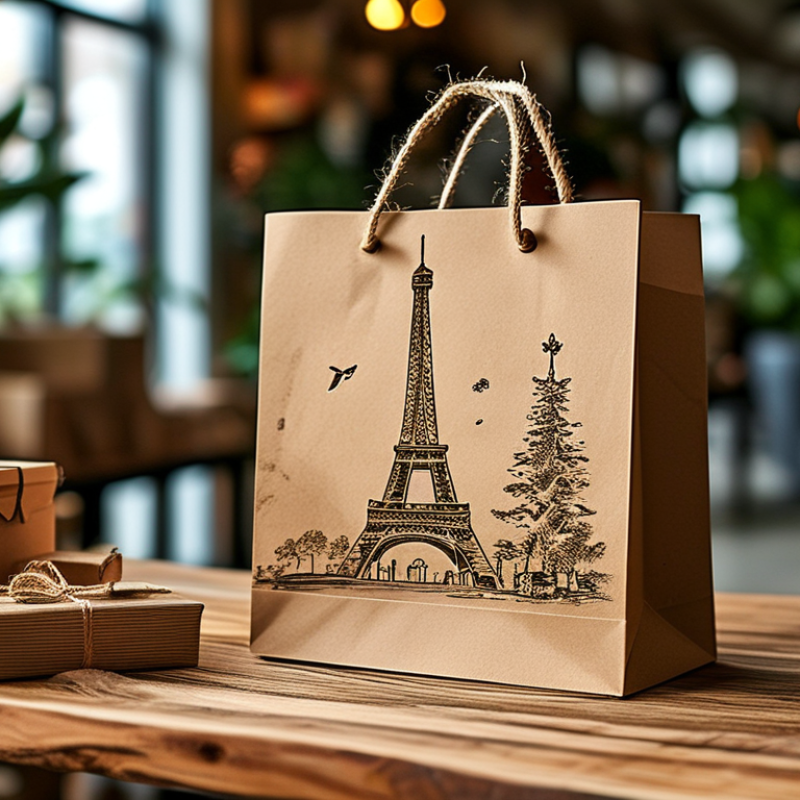
As we look towards 2026, Gift Bag design trends are evolving rapidly to reflectsustainability and consumer preferences. Reports indicate that 70% of consumers prioritize eco-friendly packaging. This trend emphasizes the growing demand for Kraft Paper Bags, which are not only biodegradable but also versatile in custom designs. The tactile quality of these bags adds a unique experience for buyers, who prefer hands-on products that feel good.
Customization is taking center stage. Market studies reveal that 65%of consumers enjoy personalized packaging options. Brands are leveraging this preference by incorporating unique designs and personalized messages into Kraft Paper Bags. Such elements enhance emotional connections with recipients. The shift towardminimalism is another notable trend. Clean lines, muted colors, and simple graphics resonate with consumers looking for elegance without excess.
Despite these innovations, there are challenges. Many brands struggle with maintaining a balance between aesthetics and functionality. Crafting a visually appealing yet durable Kraft Paper Bag requires careful consideration of design elements. As we explore gift bag ideas, focusing not only on sustainability but also onuser experience will be essential. A bag must perform its function well while captivating attention.
Sustainable Materials and Eco-Friendly Options
Gift Bags have become a staple for global buyers. The push for sustainable materials is changing how we choose these items. Eco-friendly options are increasingly popular. This demand highlights the importance of making responsible purchasing decisions.
Consider using biodegradable materials. Options like recycled paper or plant-based fabrics are great choices. They break down naturally, reducing waste. Think about reusable Gift Bags as well. They allow consumers to make eco-conscious choices on multiple occasions. Opt for bold colors and unique designs to make a statement.
When selecting gift bags, ask suppliers about their sustainability practices. Not all materials labeled "eco-friendly" live up to expectations. Research can help ensure you're buying from responsible sources. Stay informed on industry trends. This knowledge can improve your purchasing decisions and support a greener future. Additionally, reflecting on your buying habits encourages motivation for sustainable choices.
2026 Top Gift Bag Ideas for Global Buyers to Consider - Sustainable Materials and Eco-Friendly Options
| Gift Bag Type | Material | Eco-Friendly Features | Price Range (USD) | Target Market |
| Recycled Paper Gift Bag | Recycled Paper | 100% recyclable, biodegradable | $1.50 - $3.00 | Eco-conscious consumers |
| Organic Cotton Tote Bag | Organic Cotton | Reusable, chemical-free | $5.00 - $12.00 | Fashion-forward shoppers |
| Bamboo Fiber Gift Bag | Bamboo Fiber | Biodegradable, renewable | $3.00 - $6.00 | Eco-conscious gift givers |
| Kraft Paper Gift Pouch | Kraft Paper | Recyclable, made from 100% post-consumer waste | $0.75 - $2.00 | Budget shoppers |
| Jute Gift Bag | Jute | Biodegradable, sustainable | $4.00 - $8.00 | High-end markets |
Customization: Personalizing Gift Bags for Global Markets
Customization plays a pivotal role in the gift bag market. Personalizing gift bags can enhance brand identity and consumer connection. Global buyers seek unique designs tailored to diverse cultures. Custom colors, logos, and messages create a sense of ownership. Each market may favor different aesthetics and symbols. This complexity requires deep understanding and research.
Using elements like the Paper Bag Cup Holder can elevate the practical aspect of gift bags. This addition not only showcases creativity but also serves a functional purpose. However, balancing uniqueness with practicality poses a challenge. Overly intricate designs may deter usability. It’s crucial to strike the right balance.
Engaging local artisans can enrich customization efforts. Their cultural insights can inspire thoughtful designs. Yet, sourcing local materials can be unpredictable and time-consuming. This demands flexibility and a willingness to adapt. A deep understanding of local preferences is essential. Customization is not just about aesthetics; it’s about meaningful connections.
Cultural Considerations in Gift Bag Selection
Gift bag selection is more than just choosing attractive items. It requires an understanding of cultural nuances. Different regions have distinct customs and traditions that can influence gift-giving practices. For instance, in Japan, gifts are wrapped beautifully, signifying respect. Understanding such cultural contexts can enhance the value of a Gift Box.
According to a report by the Custom Gift Association, personalization in gift bags increases perceived value by 30%. Including culturally relevant items can resonate more with recipients. For example, in Middle Eastern cultures, sweets and dates are often appreciated in gifts, while in Western cultures, gourmet snacks may be favored. Thus, recognizing preferences can make your gift box stand out.
Tips for enhancing cultural relevance:
- Research local customs and etiquettes.
- Incorporate symbolic colors or items native to the culture.
- Acknowledge local holidays or festivals when designing gift bags.
Overlooking these details can lead to misunderstandings. It's crucial to reflect on how cultural insensitivity may affect the reception of your gift. Invest time in learning about the recipient's background. It makes the gesture more meaningful. This thoughtful approach can transform an ordinary gift box into something extraordinary.
Innovative Packaging Techniques for Unique Presentation
Innovative packaging techniques are essential for creating unique gift presentations. A visually appealing package can enhance the overall gifting experience. Custom shapes and sizes can make a significant difference. Consider using eco-friendly materials to attract environmentally conscious buyers. Reusable packaging not only delights recipients but also promotes sustainability.
Exploring different textures can also elevate gift bags. For instance, a combination of smooth and rough materials can create a tactile experience. Experimenting with colors can build excitement as well. Unexpected combinations can catch attention. Some ideas include metallic accents or vibrant prints that stand out.
Mistakes in packaging design often arise from following trends blindly. While trends can inspire, they shouldn't dictate choices. Buyers should reflect on what resonates with their audience. Personal touches, like handwritten notes or custom tags, can offer authenticity. Balancing aesthetics with functionality is key. It's vital to ensure the design enhances the unboxing experience without compromising practicality.
Popular Themes and Color Palettes for 2026 Gift Bags
As we look ahead to 2026, gift bag design is evolving. Buyers are showing a strong interest in popular themes that resonate with current trends. According to recent market research, 65% of consumers prefer eco-friendly gift packaging. Sustainability continues to be a critical factor. Natural materials like jute and organic cotton are at the forefront. These materials blend aesthetics with environmental consciousness.
Color palettes are also shifting in 2026. Soft pastels and earthy tones are gaining traction. A report by a leading design institute indicates that colors like sage green and muted terracotta will dominate the market. These hues evoke a sense of calm and connection to nature. In contrast, vibrant colors such as electric blue and sunflower yellow are perfect for celebration-themed gift bags. They grab attention and create excitement.
However, the challenge lies in balancing creativity with functionality. Not all designs will meet consumer needs effectively. Some buyers may find intricately designed bags less practical. They might prioritize ease of reuse or recycling instead. Striking this balance will be crucial for success in 2026's gift bag market.
Budget-Friendly vs. Luxury Gift Bag Options for Buyers
When considering gift bags for 2026, the choice between budget-friendly and luxury options can be daunting. Budget-friendly gift bags can be charming and practical. For instance, a simple tote bag filled with local snacks resonates with recipients. Adding a handwritten note enhances the personal touch. Sometimes, less really is more. However, execution may falter if the contents feel generic or lack creativity. It’s important to choose items that reflect the recipient's tastes.
On the other hand, luxury gift bags elevate the gifting experience. Think high-quality materials and unique items. A plush bag with artisanal chocolates or a mini "Gift Box Cake" can impress greatly. Yet, it is essential to balance elegance and practicality. A beautifully wrapped item may lose impact if the presentation overshadows the content's quality. Buyers should take the time to ensure that each luxury component has significance and purpose. This can make the difference in how recipients perceive their gifts.
2026 Gift Bag Options: Budget-Friendly vs. Luxury
This chart displays the average price comparison between budget-friendly and luxury gift bag options for global buyers in 2026. The budget-friendly option averages around $15, while the luxury option averages $50, reflecting various choices for diverse consumer needs.
FAQS
: Customization enhances brand identity and connects with consumers. Unique designs cater to various cultures.
Consider custom colors, logos, and messages to create ownership. Understanding local preferences is essential.
Local artisans offer cultural insights that inspire thoughtful designs. This can make the customization more meaningful.
Sourcing can be unpredictable and time-consuming. Flexibility and adaptability are necessary for successful customization.
Unique shapes and sizes, along with eco-friendly materials, can enhance the overall experience for recipients.
Varied textures create a tactile experience, making the gift more engaging and memorable for the recipient.
Following trends blindly can lead to mistakes. Reflect on what truly resonates with your audience instead.
Handwritten notes or custom tags add authenticity. They contribute to a deeper emotional connection with the recipient.
Ensure that designs enhance the unboxing experience. Avoid making the gifts difficult to use or understand.
They may deter usability and complicate the gift experience. Striking the right balance is crucial for success.
Conclusion
As we approach 2026, gift bag trends are evolving to meet the diverse preferences of global buyers. This year emphasizes sustainable materials, encouraging the use of eco-friendly options that minimize environmental impact. Customization remains key, as personalized gift bags cater to various markets, reflecting cultural considerations and enhancing the gifting experience. Innovative packaging techniques are being embraced, allowing for unique presentations that stand out.
Additionally, the color palettes and themes for gift bags are shifting, with popular choices highlighting vibrant, earthy tones that align with current design trends. Buyers are also weighing budget-friendly options against luxury selections, ensuring there are suitable gift bags for every occasion and price point. In this dynamic landscape, understanding these trends will enhance the appeal of gift bags in 2026, making them more than just decorative packaging but also a thoughtful reflection of global consumer values.
 +86-18394093613
 Contact Phone
 Contact Email