Leave Your Message
0%

When companies start thinking about global sourcing, it usually boils down to a pretty simple question: can a cake board do its job and keep costs in check at the same time? A cardboard cake board offers a solid, practical solution for bakeries, wholesalers, and private-label brands alike. It’s lightweight, easy to stack, and way simpler to ship than some of those bulky rigid options. Plus, its flat profile saves valuable space in the warehouse — which, let’s be honest, is a big deal. But yeah, those small details actually do matter. For instance, a 12-inch board needs to stay level even when supporting a decorated cake — no warping or bending, okay? Moisture resistance is a big plus too, especially when you’ve got buttercream, fruit, or chilled fillings involved that could make the surface soggy.

Laura Bennett, who’s a packaging engineer at Northstar Packaging Group, puts it nicely: “A good cake board’s real test is how it performs after being shipped — not just how pretty it looks on the supplier’s sample table.” That’s a pretty useful way to look at it. When checking out options, buyers should totally ask for details like material thickness, paper quality, coating info, load-test results, and food-contact approvals. Just looking at a shiny product photo doesn’t tell the whole story — a supplier audit can uncover more than meets the eye. It’s worth inspecting the edges, flipping it over to look at the underside, and even stacking boxes together under realistic shipping conditions. Sometimes, that tempting price per unit can hide higher costs down the line if too many get rejected.

Now, sourcing cardboard Cake Boards isn’t automatically foolproof or completely sustainable. Recycled fibers can have different strengths, and some coatings might complicate recycling in certain markets — it’s something we need to admit honestly. Smart buyers compare FSC-certified options, look at production consistency, assess how efficiently packaging is done, and verify supplier records. It’s also a good idea to double-check dimensions before placing a big order — a board perfect for a small sponge cake might not hold up if you’re stacking a tall fondant design on top. That little gap in attention could cause problems. Overall, the smartest move in global sourcing is finding the right balance between cost, protection, compliance, and honest evidence of how well the product actually performs in real-world conditions.
Why Choose Cardboard Cake Boards for Global Sourcing?

What Are Cardboard Cake Boards?

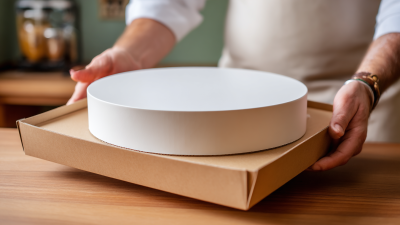
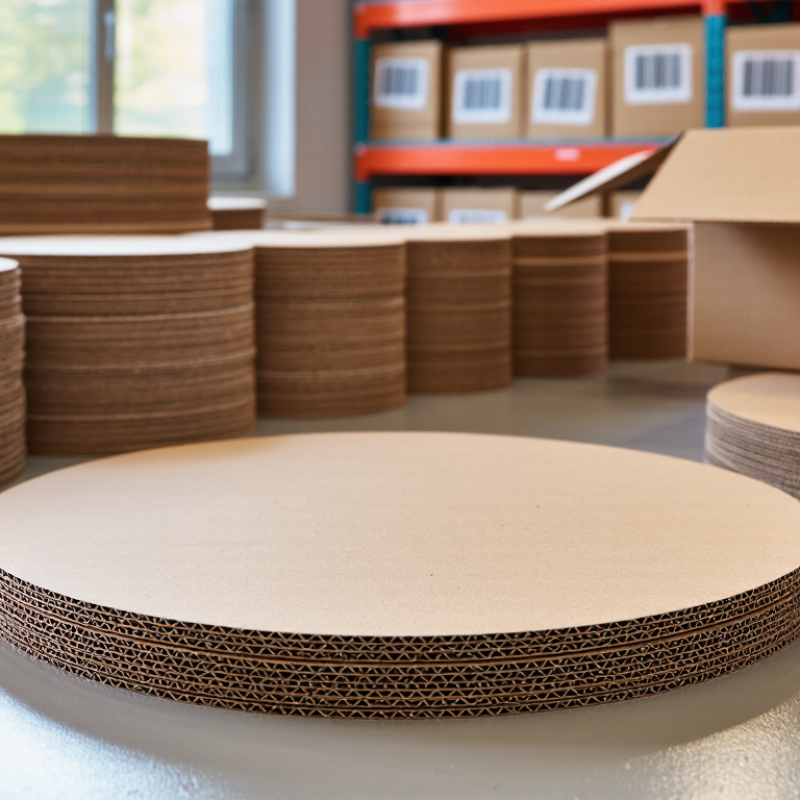
A cardboard cake board is a flat, rigid support placed beneath a cake. It usually contains layered paperboard, cut into round, square, or custom shapes. A food-contact-safe coating may protect it from grease and moisture. Thickness varies with cake weight, decoration, and transport distance. A light sponge needs less support than a tall, fondant-covered cake. The board should stay level without bending at the center. That is the basic test.

For global sourcing, a Compressed Cardboard Cake Board offers useful stiffness without excessive weight. Manufacturers press paper fibers into dense layers, creating a stable platform for handling and delivery. Buyers should verify thickness, edge quality, moisture resistance, and food-contact documentation. Request samples before approving a large order. Place a chilled cake on each sample, then lift it from one edge. Small warping can appear quickly.

Reliable purchasing also requires consistent dimensions. A board measuring 300 millimeters should not vary noticeably between batches. Check packaging, pallet protection, and humidity controls during transit. Recycled fiber can be practical, but its surface may feel rougher. I have seen attractive samples fail after condensation reached the underside. That mistake is easy to miss. Supplier audits, batch records, and clear inspection limits reduce surprises. Still, no specification replaces a real handling trial in your market. The board may be strong enough, but the corner can crush first.

How Cardboard Cake Boards Are Made

Why Choose Cardboard Cake Boards for Global Sourcing?

How Cardboard Cake Boards Are Made

It starts with paper fiber. Manufacturers mix recycled or virgin pulp with water, then refine it into a smooth, even slurry. The material is formed into thick sheets and pressed under controlled pressure. Heat removes moisture and strengthens the board. Small changes in moisture can affect stiffness, so production teams check thickness throughout the process.

After drying, the sheets may receive a food-safe coating. This layer helps resist grease from cream, butter, and fruit fillings. Some boards use laminated paper for a cleaner surface and improved moisture control. Cutting machines then shape circles, squares, or custom sizes. The edges must remain smooth. Sharp fibers can damage packaging or create handling problems.

Quality checks usually include flatness, load strength, thickness, and surface adhesion. In practical sourcing reviews, a board can look excellent but bend under a heavy layered cake. That mistake is easy to make. I would also question vague claims about recycled content or food-contact suitability. Reliable suppliers should provide material details, test records, and consistent samples. Packaging teams should compare samples after storage, transport, and exposure to humid conditions. A board that performs well in a dry factory may behave differently near a coastal shipping route. That deserves attention.

Why Choose Cardboard Cake Boards for Global Sourcing?

Cardboard Cake Boards are made by forming paper fibers into solid sheets or combining multiple paper layers. The construction affects stiffness, weight, protection, and shipping efficiency.

How to read the chart: Solid paperboard usually has one structural layer, laminated boards combine two or more sheets, and single-wall corrugated board typically contains three layers: two liners and one fluted inner layer. More layers can improve rigidity while adding material and shipping weight.

Reference basis: standard paperboard and corrugated-board construction principles used in packaging production. Actual cake-board specifications vary by diameter, thickness, coating, and required load.

Why Cardboard Cake Boards Suit Global Sourcing

Why Choose Cardboard Cake Boards for Global Sourcing?

Cardboard Cake Boards suit global sourcing because they are lightweight, flat, and easy to store. Their low shipping volume can reduce warehouse pressure and freight-related costs. ACake Cardboard Box can also use matching inserts, improving protection during cross-border handling. However, board strength depends on cake weight, humidity, and coating choices. One specification will not fit every market.

The Confederation of European Paper Industries reported a paper recycling rate of 79.5% in Europe in 2022. The U.S. Environmental Protection Agency recorded a 68.2% recycling rate for paper and paperboard containers and packaging in 2018. These figures support cardboard’s circularity, but they need careful interpretation. Grease-resistant layers, laminates, or food residue may reduce local recyclability. The data is useful, though not perfect. Regional collection systems still vary widely.

Tips: Ask suppliers for compression, moisture, and food-contact documentation. Request samples before approving a large order. Check whether board thickness survives stacking tests. Confirm pallet dimensions and recyclable markings for each destination. I would avoid promising universal recyclability without reviewing the exact coating and local facilities. Small details matter, especially when a cake board travels thousands of kilometres.

Why Choose Cardboard Cake Boards for Global Sourcing? - Why Cardboard Cake Boards Suit Global Sourcing

Global Sourcing Dimension Typical Cardboard Cake Board Data Why It Supports International Procurement Practical Sourcing Consideration Recommended Specification
Material Structure Multi-layer paperboard or corrugated fiberboard with a smooth food-contact-facing surface Paper-based construction is widely available across major packaging supply regions and can be converted with standard die-cutting equipment. Request the board construction, ply count, and surface finish in the technical specification. Use a rigid multi-layer paperboard structure for standard cakes and corrugated fiberboard for heavier products.
Common Thickness Approximately 1.5–4.0 mm, depending on the board structure and cake load A broad thickness range allows buyers to match the product to different cake sizes without changing the basic sourcing category. Thickness should be verified by incoming quality inspection because compression strength can vary between paper grades. Approximately 1.5–2.5 mm for light cakes; approximately 2.5–4.0 mm for larger or heavier cakes.
Typical Diameter and Shape Round, square, rectangular, and custom die-cut formats; common round sizes range from about 150–400 mm Standard shapes simplify tooling, packaging, and replenishment across multiple destination markets. Confirm dimensional tolerance, edge finish, center alignment, and compatibility with the Cake Box. Specify the board diameter or length, width, corner radius, and dimensional tolerance before production.
Load Support Performance depends on board thickness, diameter, moisture exposure, cake weight, and support spacing Fiberboard can provide adequate rigidity for many retail and bakery applications while remaining lightweight. Load testing should be performed with the intended cake weight and packaging configuration rather than by material name alone. Use a larger diameter, thicker board, or reinforced construction for tall, multi-layer, or decorated cakes.
Unit Weight Often lighter than equivalent rigid plastic, wood, or metal alternatives; actual weight varies with size and thickness Lower unit weight can reduce packed-product weight and help control international freight costs. Compare packed weight per carton, not only the weight of one board. Include board weight, carton weight, quantity per carton, and gross shipping weight in the quotation.
Shipping Efficiency Can be supplied in nested or tightly stacked flat packs Flat packing generally improves carton utilization and reduces unused space during international transport. Check stack height, carton compression resistance, and protection against edge damage. Define maximum carton dimensions, stacking quantity, and palletization pattern for each shipment.
Moisture Resistance Uncoated paperboard is moisture-sensitive; coated or laminated surfaces provide improved short-term resistance Surface options allow the product to be adapted for chilled cakes, humid climates, and refrigerated distribution. Moisture resistance does not mean waterproof performance; testing should reflect the actual storage environment. Select a suitable food-contact coating and validate performance under expected temperature and humidity conditions.
Food-Contact Suitability Requires food-contact-compliant paper, coating, adhesive, ink, and production controls where direct contact occurs Clear material documentation can support import reviews and customer compliance requirements in different markets. Request declarations of compliance, material specifications, and migration or safety documents when applicable. Use an unprinted or food-contact-approved surface where the board directly touches the cake.
Customization Supports printed graphics, embossed details, custom shapes, edge colors, and branded-free standard designs Paperboard converting is suitable for both standardized high-volume orders and market-specific formats. Color consistency, print registration, and artwork approval should be defined before mass production. Use standardized dimensions for core products and reserve custom tooling for stable, repeat-demand items.
Minimum Order Flexibility Standard sizes generally require fewer setup changes than fully custom shapes or printed designs Using common specifications can make trial orders and multi-market purchasing easier to manage. Ask suppliers to separate tooling, printing, setup, and product quantities in the quotation. Start with standard sizes and neutral designs when testing demand in a new market.
Quality-Control Points Key checks include dimensions, thickness, flatness, edge condition, surface cleanliness, print quality, and load performance These characteristics can be measured consistently with basic inspection tools and documented sampling plans. Agree on acceptable quality limits and inspection methods before production begins. Use a pre-production sample, approved reference sample, and shipment inspection checklist.
End-of-Life Profile Paper-based boards may be recyclable where local collection systems accept the material; coatings and food contamination can affect recyclability A fiber-based format can support sustainability goals when material composition and local recycling conditions are suitable. Do not claim recyclability without checking the coating, adhesive, food contamination, and destination-market rules. Prefer clearly documented paper-based materials and minimize unnecessary laminates where product performance allows.
Global Sourcing Fit Suitable for bakeries, foodservice distributors, retail packaging programs, and private-label packaging projects Standard dimensions, flat-pack logistics, scalable customization, and widely used manufacturing processes support cross-border purchasing. Evaluate total landed cost, compliance documents, lead time, packaging method, and quality consistency together. Choose a supplier capable of providing repeatable specifications, export packaging, inspection records, and responsive documentation.

Note: The specifications above are typical industry planning ranges. Final requirements should be confirmed through product samples, load testing, food-contact documentation, and destination-market regulations.

How to Evaluate Quality and Food Safety

Why Choose Cardboard Cake Boards for Global Sourcing?

How to Evaluate Quality and Food Safety

When buyers compare Cardboard Cake Trays, food safety should lead the evaluation, not decoration or price. A tray may look rigid, yet weaken under moisture, cream, or warm handling. I check the board grade, thickness, edge finish, and surface coating. Ask whether the materials are suitable for direct food contact. Request current declarations, migration test results, and batch traceability records. These documents should match the actual production material, not another sample. Small details matter.

Quality checks should include load testing with a realistic cake, not an empty tray. Place the tray in a cool, humid room, then inspect bending, odor, and surface lifting. Test it again after refrigeration and short transport movement. A greasy filling can expose weak coating faster than a dry sponge cake. Suppliers should explain inspection frequency, acceptance limits, and corrective actions. I also compare samples from different production dates. One perfect sample proves little.

For global sourcing, verify food-contact requirements in the destination market before placing a large order. Rules differ, and recycled fiber may require additional controls. Ask about inks, adhesives, bleaching agents, and recycled content. Do not accept vague claims such as “food safe” without evidence. A factory visit can reveal dusty storage, open cartons, or poor pest control. Photos help, but they can hide inconvenient corners. I would approve a small trial shipment and review customer feedback. Even then, the evaluation is not finished. Conditions change, and suppliers can drift from approved specifications.

What Customization and Packaging Options Are Available?

For global sourcing, cardboard Cake Boards offer a practical balance between protection, customization, and shipping efficiency. The useful advantage is flexibility: factories can adjust diameter, thickness, shape, and surface finish for different cake styles. A 10-inch round board may suit a sponge cake, while a square board supports boxed pastries more efficiently. Custom printed surfaces can carry a neutral pattern, handling marks, or storage instructions without overwhelming the product. Keep it clear.

Customization should begin with actual use, not a catalog template. For heavier cakes, layered paperboard and reinforced edges can reduce bending during hand delivery. Grease-resistant or moisture-resistant coatings help protect the board from cream, syrup, and refrigeration condensation. Matte finishes often hide fingerprints, while metallic effects attract attention but may increase cost and complicate recycling decisions. I have found that a beautiful sample can fail when its coating softens in a cold room. That detail deserves testing.

Packaging options range from flat stacks in corrugated cartons to individually sleeved boards for cleaner retail presentation. Corner protection and moisture barriers are useful during long ocean shipments, especially in humid seasons. Export cartons should show dimensions, quantity, batch reference, and handling direction in readable print. Before approving production, request samples, compression checks, odor checks, and documentation for food-contact suitability in the destination market. Pallet height also matters; oversized loads may waste space and raise transport costs. I would leave room for revision. A small change in board thickness can improve performance, yet it may alter carton counts. This tradeoff is easy to miss.

How Shipping and Costs Affect International Purchasing

When purchasing cardboard Cake Boards internationally, shipping can change the decision quickly. A low factory price may look attractive, but freight, insurance, duties, and handling fees increase the landed cost.

Cake Boards are light, yet their flat dimensions can trigger dimensional-weight charges. A poorly packed pallet may also arrive bent, wet, or crushed.

Cardboard Cake Boxes can add volume to the shipment, especially when purchased with boards. Ask suppliers for carton dimensions, gross weight, pallet quantities, and packing photos before ordering. Request a sample shipment. It reveals more than a spreadsheet.

Tips: Compare landed costs, not unit prices. Check moisture protection. Confirm customs documents. Leave space for delays. Consolidating several compatible items may reduce freight, but only when the packaging remains stable. Smaller test orders often cost more per unit, yet they limit expensive mistakes.

From my sourcing experience, reliable purchasing depends on clear specifications and repeated checks.

Specify board thickness, diameter, coating, edge finish, and food-contact documentation. Confirm whether prices include export packing and inland delivery. Shipping terms can shift responsibility between the buyer and supplier, so unclear wording deserves attention. I once underestimated port storage fees because the delivery schedule looked simple. It was not. Exchange-rate changes can also affect the final budget during long production cycles. A practical estimate should include a contingency allowance, even when the supplier appears dependable.

Grand View Research 2024: Bakery Packaging Trends and 50 Customizable Round Cake Boards from China Suppliers

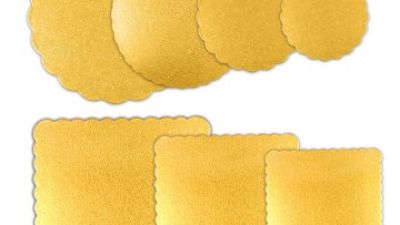
Bakery packaging is evolving toward solutions that combine visual appeal, reliable protection, and flexible customization. Among these options, round cake boards remain a practical choice for bakeries, dessert studios, event planners, and home bakers. A premium 50-piece set made from high-quality cardboard can support wedding cakes, cookies, pastries, and other baked goods while presenting them neatly. Available sizes from 3 to 20 inches, these boards are suitable for individual desserts, small celebration cakes, and large multi-tiered designs.

As a China-based factory supplier, we provide customized cake boards tailored to different packaging and presentation needs. Customers can select the size, color, shape, and thickness, with popular finishes including gold, silver, and rose gold for elegant wedding themes. Round, heart-shaped, and hexagonal styles offer additional design flexibility, while thicknesses from 1 mm to 4 mm help provide stable support for cakes of varying weights. The boards can be produced for retail packaging, bakery display, dessert tables, and special events, giving suppliers and buyers a cost-effective way to coordinate cake presentation with their overall décor.

FAQS

What is a cardboard cake board?

It is a flat, rigid support placed beneath a cake. It may be round, square, or custom-shaped. The board should remain level without bending.

How do I choose the right board thickness?

Match thickness to the cake’s weight, height, decoration, and transport distance. A light sponge needs less support. A tall, heavily decorated cake needs more stiffness.

What should I check before buying cake boards?

Check dimensions, thickness, edge quality, surface coating, and moisture resistance. A 300-millimeter board should stay consistent between batches. Small differences can cause poor stacking.

How can I test a board’s strength?

Place a chilled cake on the sample. Lift it carefully from one edge. Watch for bending, warping, or crushed corners. A simple trial reveals weaknesses quickly.

Why is moisture resistance important?

Cream, condensation, and refrigeration can weaken paperboard. Inspect the underside after chilling. Even attractive samples may warp after moisture exposure. This problem is easy to miss.

How should food-contact safety be evaluated?

Ask for current food-contact declarations and migration test results. Request batch traceability records. The documents must match the actual materials used. Do not rely on vague safety claims.

Should testing use empty trays or real cakes?

Use realistic cakes, not empty trays. Test with grease, refrigeration, humidity, and short transport movement. A dry sponge may hide coating problems. Real conditions matter more.

What packaging details matter during global transport?

Check pallet protection, carton strength, and humidity controls. Inspect cartons for dust, crushing, or exposed materials. Photos are useful, but they can hide damaged corners. I may still miss something.

Are recycled fibers suitable for cake boards?

Recycled fibers can be practical when properly controlled. Their surfaces may feel rougher. Ask about inks, adhesives, bleaching agents, and recycled content. Approval should depend on evidence, not appearance.

Is one successful sample enough for approval?

No. One sample can mislead me. Compare samples from different production dates. Run a small trial shipment before a large order. Review handling feedback and batch consistency.

Conclusion

Cardboard cake boards are lightweight, rigid supports designed to hold, display, and transport cakes safely. They are typically made by layering food-contact paperboard, applying pressure for strength, and adding a suitable surface finish. For global sourcing, a Cardboard Cake Board offers an effective balance of durability, low weight, cost efficiency, and easy stacking, helping reduce storage and shipping challenges. Buyers should evaluate thickness, load-bearing performance, moisture resistance, edge quality, and food-contact safety, while confirming that materials and coatings meet the requirements of the destination market.

Customization can include different shapes, sizes, colors, surface finishes, and printed designs. Packaging choices such as protective inner wrapping, carton quantities, and pallet arrangements can be adapted to handling and retail needs. International purchasing decisions should also consider minimum order quantities, production lead times, shipping volume, packaging protection, import procedures, and total landed cost. Careful comparison of quality, customization, logistics, and supplier communication can support reliable purchasing and consistent cake presentation.
Sophie

Sophie

Sophie is a dedicated marketing professional at Aotong, specializing in the production of high-quality baking packaging products. With a keen eye for detail, she possesses an impressive depth of knowledge about the extensive product range that Aotong offers, including cake boxes, cupcake boxes,......
Previous What Is a Cake Tray and Which Type Is Best?