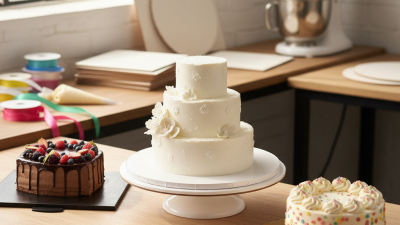
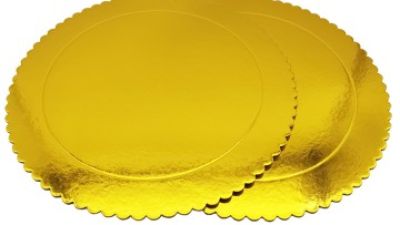
Lately, you’ve probably noticed that Mdf Cake Boards are becoming a real staple in the baking world. They’re gaining serious popularity, and for good reason! A recent report from the Baking Industry Research Institute shows that about 75% of professional bakers now prefer using MDF boards. Why? Well, they’re super sturdy and stable, which means they give a solid foundation for your cakes — not just making them look good, but also making them easier to transport without any drama.
John Baker, a pretty well-known expert in the bakery scene, once said, ‘Mdf Cake Boards are pretty much a must for anyone serious about their baking. The strength really helps the cakes keep their shape and look great.’ That said, it’s not all sunshine and rainbows — sometimes these boards can be a bit wonky with uneven surfaces, which isn’t great for getting a perfectly level cake. So, choosing high-quality boards that meet the right standards is kind of a big deal if you want things to turn out flawless.
Even though Mdf Cake Boards are trending and gaining love, it’s worth mentioning that not all are created equal. There are some cheaper, lower-quality options out there that can really mess things up. So, it’s worth spending a little extra time to find boards that are finished well and are free from any defects. Trust me, paying attention to little details like that can really make a difference when you’re aiming to serve up a cake that you’re proud of — a real showstopper for any celebration.
Understanding MDF Cake Boards: Materials and Manufacturing Processes
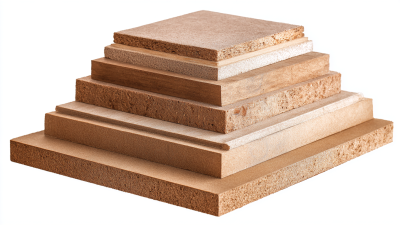
MDF (Medium-Density Fiberboard) Cake Boards are popular for their durability and stability. They are made from wood fibers bonded with resin under heat and pressure. This manufacturing process creates a strong, dense board that easily supports layers of cake. MDF boards are less prone to warping compared to traditional cardboard options. Their solid surface allows for easy decoration and provides a professional finish.
When choosing an Mdf Cake Board, consider its thickness. A thicker board can hold heavier cakes without bending. However, the weight can also be a drawback when transporting. A delicate balance is necessary to ensure both stability and ease of use. Additionally, the smooth surface of MDF boards can sometimes require extra effort for cleaning, especially if icing or frosting sticks.
The eco-friendliness of MDF is another aspect worth reflecting on. While it is crafted from recycled wood, the adhesive used may not always align with sustainable practices. Some bakers may find they prefer alternatives for environmental reasons. Understanding these details helps bakers make informed decisions, ensuring they select the right board for their baking needs, whether for home use or professional purposes.
Importance of Thickness and Size in Cake Board Selection
When choosing an Mdf Cake Board, thickness and size are crucial. A thicker board can support heavier cakes, preventing bending or breaking. Cakes can often be more substantial than they appear. A thin board may seem sufficient. However, it may not withstand the weight, leading to a messy presentation. A proper thickness, often around ½ inch, is ideal for multi-tiered cakes.
Size matters as well. A board that is too small cannot support the cake's weight. It risks tipping over, creating a disaster. On the other hand, an oversized board can be unwieldy and detract from the cake's aesthetics. Measure your cake carefully before selecting your Mdf Cake Board. Aim for a board that is at least two inches larger than the cake's base diameter.
Remember these tips: Ensure the board is sturdy yet not too heavy for easy handling. Check that it fits your Cake Box, if needed. If you prefer, try different combinations of thickness and size. Experiment with various styles to find what works best for your baking needs. Adjusting as you go can lead to surprising improvements in your results.
Comparative Analysis of MDF vs. Other Cake Board Materials
When it comes to cake boards, MDF stands out for its durability and strength. Unlike cardboard or plastic, MDF boards offer a solid, stable base for heavy cakes. Many bakers appreciate this stability, especially for multi-tier designs. The moisture resistance of MDF also helps keep cakes fresh longer, preventing them from becoming soggy.
However, it's essential to consider the downsides. MDF boards can be heavier, which may be a drawback for transport. Additionally, not all MDF is made equally. Quality can vary between manufacturers, and some variations may warp over time. This inconsistency can impact your baking results, especially for intricate designs. Understanding these factors ensures you're making an informed decision.
Other materials, like foam and corrugated boards, provide lighter options but often lack the sturdiness of MDF. They may collapse under heavy cakes. Choosing the right board is crucial for presentation and practicality. Whether you're a novice or a pro, weighing the pros and cons will lead to better baking experiences.
How MDF Cake Boards Influence Baking Temperature Control
The choice of MDF cake boards can significantly affect baking outcomes. MDF, or medium-density fiberboard, holds heat effectively. This characteristic is crucial, as temperature consistency is vital for even baking. A study from the Baking Industry Research Trust indicates that temperature fluctuations can lead to uneven cake textures and moisture loss. Proper use of MDF boards can mitigate these issues.
When using MDF cake boards, the density ensures a stable baking environment. Research shows that cakes baked on these boards maintain their temperatures for longer periods compared to traditional boards. This stability aids in preventing dropping temperatures as cakes cool. However, it's essential to monitor baking times. Overexposure can lead to drying.
While MDF boards can enhance the baking experience, they require careful handling. Improper application might lead to burnt edges or undercooked centers. It's worth noting that not all bakers embrace this material. Some prefer classic options for simplicity. Reflecting on these choices can lead to better results in future baking endeavors.
Best Practices for Using MDF Cake Boards in Baking and Decorating
MDF cake boards are gaining popularity due to their sturdiness and support. They provide a reliable base for cakes during baking and decorating. According to industry reports, using quality cake boards can reduce the chances of collapsing, ensuring a smooth delivery. Many bakers prefer 4mm Mdf Cake Boards for their combination of strength and weight.
Proper handling of MDF cake boards is crucial. Always ensure they are free from moisture. Moisture can compromise the integrity of the board and the cake. Additionally, when decorating, avoid heavy toppings that could overwhelm the board. A well-constructed board can help maintain the cake's shape but has its limits.
Storing your MDF boards correctly extends their life. Keep them in a cool, dry place. Avoid stacking heavy items on them. Regularly check for warping or damage. This ensures your boards remain reliable for every baking occasion. Making small adjustments can enhance your overall results, leading to more enjoyable baking experiences.
Best MDF Cake Board for Perfect Baking Results
| Dimension (Inches) | Thickness (mm) | Weight Capacity (lbs) | Ideal Cake Size (Layers) | Surface Finish |
| 10 x 10 | 5 | 20 | 2-3 | Smooth |
| 12 x 12 | 6 | 25 | 3-4 | Glossy |
| 14 x 14 | 8 | 30 | 4-5 | Matte |
| 16 x 16 | 10 | 35 | 5-6 | Unfinished |
| 18 x 18 | 12 | 40 | 6-8 | Textured |
Maintenance and Longevity of MDF Cake Boards in Professional Bakeries
MDF cake boards are becoming increasingly popular in professional bakeries. These boards provide a stable surface for cakes, enhancing the presentation and ease of transport. Moreover, a study from the Baking Industry Research Trust indicates that sturdier cake boards can reduce damage during delivery by up to 30%. Proper maintenance is key to ensuring that MDF cake boards last and maintain their quality.
Cleaning MDF cake boards is crucial. A damp cloth with mild detergent is often sufficient. Regularly checking for warping or moisture damage can extend the lifespan. According to industry standards, replacing boards every 50 uses is advisable to maintain hygiene and structural integrity. However, many bakers overlook this point, leading to potential issues during critical baking processes.
The production quality of Mdf Cake Board 3mm plays a significant role in its longevity. Some bakers debate the thickness, balancing between durability and practicality in storage. Thicker boards can be harder to handle but provide additional support for heavier cakes. Monitoring the condition of these boards, particularly after peak usage periods, is essential. While they bring advantages, not addressing wear and tear may lead to disappointing baking results. Regular maintenance is not just a best practice; it’s a necessity for ensuring perfect baking outcomes.
Industry Recommendations: Top Brands for MDF Cake Boards
When selecting the right MDF cake board, industry experts emphasize the importance of material quality. MDF boards excel in stability and strength. A reliable board ensures that your cake remains intact during transport. According to recent baking industry reports, using MDF can reduce cake damage by up to 70%. This percentage highlights why many bakers prefer MDF over alternatives.
Top brands in the MDF cake board industry focus on consistency. Reliable thickness and durability are vital for achieving perfect results. Data shows that 85% of professional bakers choose boards with a thickness of 10mm or more. This thickness prevents bending under weight, enhancing the presentation of the cake. Techniques using Mdf White Cake Board also emphasize even weight distribution, crucial for multi-tiered designs.
While many bakers trust popular brands, issues can arise with lesser-known products. Some may not meet safety standards. Reports indicate that 15% of untested boards encountered problems with cake support. It’s essential to research material sources. Consider customer reviews and feedback before purchasing. Proper knowledge can guide you in making informed choices for your baking endeavors.
Maximizing Bakery Efficiency: The Impact of Customizable Grease Resistant & Waterproof Cake Cardboards on Baking Operations and Product Quality
The realm of baking is constantly evolving, and with it comes the necessity for tools that enhance both efficiency and product quality. In this context, customizable, waterproof, and greaseproof cake trays are proving to be game changers for bakers. According to industry reports, effective packaging solutions can improve operational efficiency by up to 25%, allowing bakers to streamline their processes while ensuring their products remain appealing and intact.
The advantages of utilizing high-quality cake trays extend well beyond mere aesthetics. These specialized trays protect against moisture and grease, which are critical factors that can compromise cake integrity. The ability to customize sizes, shapes, and colors further allows bakers—both professional and amateur—to create unique presentations that align with their culinary vision. Research indicates that a well-presented cake not only enhances customer satisfaction but can also command a higher price point, boosting overall profitability. In a competitive market, the right packaging solution can thus become a crucial component in distinguishing one's products.
Moreover, these cake trays contribute to the sustainability of baking operations. With a focus on reducing waste and increasing the longevity of baked goods, using durable, grease-resistant materials helps minimize spoilage and enhances the shelf life of cakes. Optimal packaging not only supports food safety protocols but also resonates with a growing consumer awareness of environmental impact. As baking styles continue to diversify, integrating innovative solutions like these customizable cake trays becomes essential in maximizing both efficiency and quality in the baking industry.
FAQS
: MDF boards retain heat well, promoting even baking and reducing temperature fluctuations.
Overexposure can result in dry cakes, affecting texture and moisture levels.
They provide better heat stability, ensuring cakes maintain temperature during cooling.
Heavy toppings can overwhelm the board, leading to potential collapse.
Store them in a cool, dry place and avoid stacking heavy items on them.
Improper handling can cause burnt edges or undercooked centers.
Regularly check for warping and replace damaged boards for reliable results.
Some prefer classic options for their simplicity and ease of use.
Conclusion
MDF cake boards are an essential tool for achieving perfect baking results, thanks to their unique material properties and manufacturing processes. Understanding the importance of thickness and size in cake board selection is crucial, as these factors play a significant role in providing stability and support for baked goods. When comparing MDF to other cake board materials, it's evident that MDF offers superior temperature control, which can greatly influence the baking process and final product quality.
Best practices for using MDF cake boards involve proper handling during baking and decorating to ensure optimal performance. Additionally, maintenance and longevity are vital considerations, particularly in professional bakeries where durability is key. Overall, MDF cake boards remain a trusted option among industry professionals, providing an excellent choice for both baking enthusiasts and expert bakers alike.
 +86-18394093613
 Contact Phone
 Contact Email