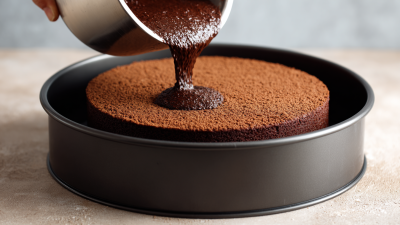
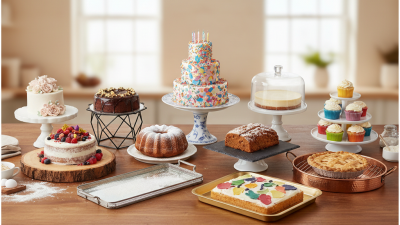
So, you're wondering what exactly a cake tray is and which type might be best for you? Well, even though it sounds like a pretty straightforward question, the truth is, it really depends on your recipe, the kind of oven you have, and how you usually like to bake. Basically, cake trays are those shallow or sometimes deeper baking pans designed to hold your batter while it’s in the oven. They can be made from all sorts of materials—aluminum, stainless steel, carbon steel, glass, or silicone—and each one impacts how the heat gets to your cake differently.
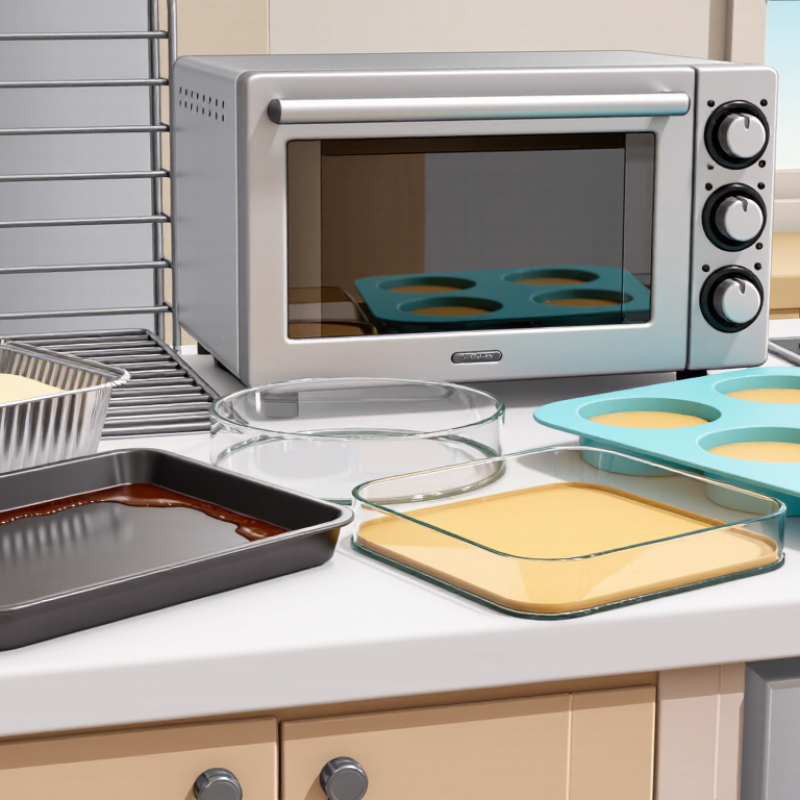
For example, a lightweight aluminum tray tends to heat up quickly and distributes heat pretty evenly, which can help you get those lovely pale, tender edges. On the other hand, dark metal trays absorb more heat, so your cake edges might brown faster than you expect. Glass tends to hold onto heat longer, so you really need to keep an eye on the temperature. Silicone trays release cakes nicely, but they sometimes need a sturdy baking sheet underneath to keep them stable—that little detail can sometimes be overlooked!
The shape and depth of the tray are also super important. Shallow trays are great for sheet cakes, rolls, or thin sponge layers. If you're baking a thicker cake, a deeper tray is better, but keep in mind, it might need a bit more baking time. Always double-check the size of your tray against your recipe—using a smaller one can result in a tall, undercooked center, while a bigger tray might give you a thin, dry cake.
And beyond the basics, practical stuff counts too. Look for a tray with a stable rim, clear size markings, and a handle that’s comfortable to hold. Also, think about your cleaning routine—nonstick coatings are super convenient, but they can get scratched over time, which might affect their nonstick magic. Sometimes, hand-washing is actually the smarter move, even if the label says dishwashers are fine.
Honestly, there’s no one-size-fits-all answer here. Even seasoned bakers often tweak their oven temp and baking time after switching up trays—that’s totally normal. The key is to find a good balance: a tray that heats reliably, lasts well, releases your cakes easily, and fits the kinds of goodies you bake most often. It’s all about experimenting a little and finding what works best for you!
What Is a Cake Tray and What Is It Used For?
A cake tray is a flat baking or serving surface designed to support cakes during preparation, cooling, decoration, and transport. It may be made from aluminum, stainless steel, glass, wood, or food-safe plastic. In practical use, its edges help prevent batter from spreading, while a firm base keeps delicate layers stable. A cake tray is not always the same as a cake pan. A pan shapes the cake as it bakes; a tray usually supports or displays it.
The right tray depends on the task. A rimmed metal tray works well for sheet cakes because it distributes heat steadily and limits spills. A flat, heavy tray is better for decorating or carrying a layered cake. For serving, glass offers a clear presentation, while a washable plastic tray can be lighter and safer for outdoor events. Check the tray’s size before baking. A mismatch can produce thin edges, uneven cooking, or difficult transfers.
In my baking experience, a slightly textured surface can reduce sliding during transport. However, it may make cleaning more troublesome. It matters. I once moved a warm cake too early, and the center shifted despite using a sturdy tray. Cooling time is part of tray use, not an optional detail. Choose a tray with a smooth finish, stable weight, and enough space for the cake board or decorations. The “best” type is the one that suits the cake’s shape, temperature, and final purpose.
How Cake Trays Differ from Cake Pans and Serving Plates
A cake tray is a shallow, usually rectangular surface designed to hold, transport, or display a cake. It may have a flat base, raised edges, or a fitted lid. In my kitchen, the right tray prevents frosting from touching the container during delivery. Small details matter.
A cake pan is different because it shapes the cake while it bakes. Its deeper sides hold batter, and its material must tolerate oven heat. A tray usually does not provide enough depth or structure for baking. Foil Cake Trays are a practical exception for certain shallow cakes, sheet desserts, and short-term transport. However, thin foil can bend easily. Support it with a baking sheet.
A serving plate has another purpose. It presents the finished cake at the table, often with a wider rim for decoration and slicing. It is not always suitable for carrying a warm cake or storing one with heavy toppings. I once moved a soft layered cake on a narrow plate, and the frosting shifted before guests arrived. That mistake changed my preparation routine. I now match the surface to the task: pan for baking, tray for handling, and plate for serving. Material also affects performance. Metal transfers heat quickly, while sturdy plastic or coated board may offer easier transport. Check the tray’s heat rating before using it in an oven. Never assume a disposable tray is oven-safe.
Key Materials Used to Make Cake Trays
A cake tray is more than a flat holder. It may support baking, cooling, decorating, or delivery. Material choice affects heat transfer, release, strength, and appearance. Grand View Research valued the global Food Packaging market at about USD 954.8 billion in 2022. That scale reflects a practical truth: small material decisions influence large supply chains.
Aluminum remains popular for baking trays because it heats quickly and evenly. A thin aluminum tray suits sponge cakes and Mini Cake Trays, especially when fast production matters. European Aluminium reports that recycling aluminum can save roughly 95% of the energy used for primary production. However, aluminum bends easily. A flimsy rim can buckle under a decorated cake. Steel offers better rigidity and repeated-use durability, but it usually heats more slowly. Dark coatings may brown edges faster. That can surprise inexperienced bakers.
Silicone provides easy release and flexible storage. It works well for soft pastries, though it may need a rigid support tray. Food-grade paperboard is lighter and useful for presentation or short-distance delivery. Smithers’ packaging outlook has identified paper-based formats as a major growth area, driven by recyclability and reduced material weight. Still, paperboard can soften when exposed to oil or condensation. Not always ideal. Plastic trays resist moisture and are inexpensive, but their heat limits and food-contact compliance must be checked carefully. In practice, I would inspect the base thickness, corner strength, temperature rating, and surface finish before choosing a tray. I have learned that the cheapest option often creates the most handling problems.
Common Types of Cake Trays and Their Features
A cake tray is a pan that supports batter while it bakes into a stable shape. Its material, depth, and base design affect browning, moisture, and release. In practical baking, heavy-gauge metal usually spreads heat more evenly than thin metal. Aluminum heats quickly, while darker steel often creates deeper edges. That difference matters.
Round Cake Trays suit layered cakes and simple sponge recipes. They produce even slices and fit most standard ovens.
Springform trays have a removable side, which helps release delicate cheesecakes. However, their seams may leak thin batter. A liner or water-resistant wrap can reduce this problem.
Sheet trays create thin cakes with crisp corners, making them useful for decorated slices and rolled cakes. They also bake quickly, so timing needs attention.
Loaf trays create tall, narrow cakes with a firm crust. Bundt-style trays add decorative ridges, but their details require careful greasing.
Small Cake Trays work well for personal portions, testing new recipes, or baking in compact ovens. Their smaller volume can cause cakes to finish earlier than expected.
Check the center with a skewer, not only the color. Silicone trays release easily, yet softer sides may bend when moved.
I have found that a rigid tray with a removable base feels more reliable, though it is not always the easiest to wash. Consider the cake’s texture, serving size, and oven space before choosing.
How to Choose the Best Cake Tray for Your Needs
What Is a Cake Tray and Which Type Is Best?
How to Choose the Best Cake Tray for Your Needs
A cake tray is a shallow or deep baking pan that supports cake batter during baking. The right tray affects the cake’s height, texture, and cooking time. Before buying one, measure your recipe and oven space. A 20-centimeter round tray suits many small household cakes. Deeper trays work better for layered sponges, but they may need longer baking.
Material matters. Light-colored aluminum spreads heat evenly and helps prevent dark edges. Steel trays feel sturdy and suit frequent use, although thin steel can create hot spots. Silicone trays release cakes easily, but they need a firm baking sheet underneath. I once used a flexible tray without support. The batter leaned badly. That mistake still influences my choices.
Check the tray’s depth, rim, handle shape, and temperature rating. A smooth surface helps cleaning, but it does not replace proper greasing and lining. For delicate cakes, parchment paper offers more reliable release. Choose a tray that fits your usual recipes, not an impressive size you rarely need. Inspect the corners after washing. Small scratches can trap residue over time. Some guidance online treats nonstick coating as permanent, which is too optimistic. It can wear with metal tools and rough cleaning. Wooden or silicone utensils are safer. A practical tray should feel stable, clean easily, and produce even browning in your own oven.
How to Use, Clean, and Store a Cake Tray Properly
What Is a Cake Tray and Which Type Is Best?
A cake tray supports baked cakes during cooling, decorating, transport, and serving. The best type depends on the cake’s weight, moisture, and destination. Metal trays are firm and reusable, while Cardboard Cake Trayssuit short journeys and tidy presentation. For layered cakes, choose a tray slightly wider than the Cake Base. That extra space protects the frosting from bumps.
How to Use, Clean, and Store a Cake Tray Properly
Place the cooled cake in the tray only after its frosting has set. A warm cake can soften coatings and create messy marks. For reusable trays, remove crumbs with a soft brush before washing. Use warm water, mild dish soap, and a non-abrasive sponge. Dry every corner immediately, especially around seams and handles. Trapped moisture may cause stains or unpleasant smells. I once stored a damp tray overnight, and the next cake picked up a faint metallic taste. It was a useful mistake.
Tips: Line the tray with parchment when possible. Never cut directly on delicate surfaces. Avoid soaking wooden or coated trays. Let cardboard trays stay dry, and reuse them only if they remain clean, rigid, and odor-free.
Store clean trays vertically or in a flat stack with thin cloth between them. Keep them away from ovens, sinks, and direct sunlight. Cardboard can warp in humid cupboards. Before each use, inspect the surface for dents, peeling, mold, or loose fibers. Replace damaged trays. A beautiful cake still needs a dependable base.
What Is a Cake Tray and Which Type Is Best?
A cake tray is a baking pan designed to hold cake batter while it bakes. The best size depends on the amount of batter and the shape of cake you want to make.
How to use: Choose a tray with enough capacity for the recipe, grease it lightly, and fill it only about two-thirds full to allow the cake to rise safely.
How to clean and store: Let the tray cool before washing it with warm water and mild dish soap. Dry it completely and store it in a dry place, preferably with a cloth or paper layer between stacked trays to help prevent scratches.
Capacity note: The values shown are approximate batter capacities commonly used for standard cake-pan sizes.
Conclusion
Cake Trays are practical kitchen and presentation tools designed to support, transport, display, and sometimes bake cakes and other desserts. Unlike cake pans, which are mainly made for shaping and baking batter, Cake Trays are often flatter and may be used after baking. They also differ from serving plates because they typically provide more stability, a larger surface, or raised edges for safer handling. Their materials may include aluminum, stainless steel, glass, ceramic, plastic, or coated metal, with each option offering different levels of durability, heat resistance, weight, and ease of cleaning.
Common types include flat trays, trays with handles, lidded transport trays, rotating trays, and decorative display trays. The best choice depends on the cake’s size, purpose, storage needs, and whether the tray must withstand oven heat. For proper use, select a tray that supports the cake evenly, avoid exceeding its heat limits, and use suitable liners when needed. Clean it gently according to its material, dry it completely, and store it in a protected place to prevent scratches, stains, or warping.
 +86-18394093613
 Contact Phone
 Contact Email