+86-18394093613 


Picking the right China-based manufacturer for Drink Carriers isn't just about hunting for the lowest factory price. You really want to find a supplier that strikes a good balance between material safety, durability, printing quality, on-time delivery, and responsible sourcing practices. Ideally, the carrier should hold full bottles or cups without the handles tearing apart — those little details really matter, especially after condensation makes paper weaker.
Industry reports are pretty helpful here. For example, Smithers’ report ‘The Future of Global Packaging to 2028’ highlights sustainability, lightweighting, and recyclable materials as key priorities. Meanwhile, Grand View Research notes that Paper Packaging is still growing, driven by foodservice and beverage sectors. But keep in mind, just because a paper carrier is eco-friendly doesn’t mean it’s automatically better for the environment—it all depends on coatings, adhesives, inks, and the recycling infrastructure available.
When you’re narrowing down options, it’s smart to look closely at companies like Guangzhou PackFancy, Hangzhou Xunda Packaging, and Shenzhen Fuxiang Gifts & Packaging. Check their experience, see samples in action, ask about their quality control processes, and make sure they have the right export documents. It’s a good idea to request actual test data—compression strength, handle pull resilience, moisture resistance—and even ask for photos from real production lines. Also, see if they can trace recycled fibers and confirm that materials suitable for food contact meet the specific rules of your target market.
No supplier is perfect, of course. A super cheap quote might mean higher costs down the line if things go wrong. A slick-looking catalog doesn’t always tell you if the batches are consistent. And even your initial shortlist can be off if your testing is too basic. Experienced buyers know it’s crucial to inspect samples under real-world conditions — like with cold drinks, handling wet displays, or repeated use. Good communication with your supplier is also a big deal. Clear answers about minimum order quantities, lead times, tooling, and how they handle issues often speak louder than fancy marketing claims. Ultimately, the best China Drink Carrier manufacturer isn’t just the cheapest — it’s the one you can count on to deliver safe, consistent, and practical packaging that works for your needs.
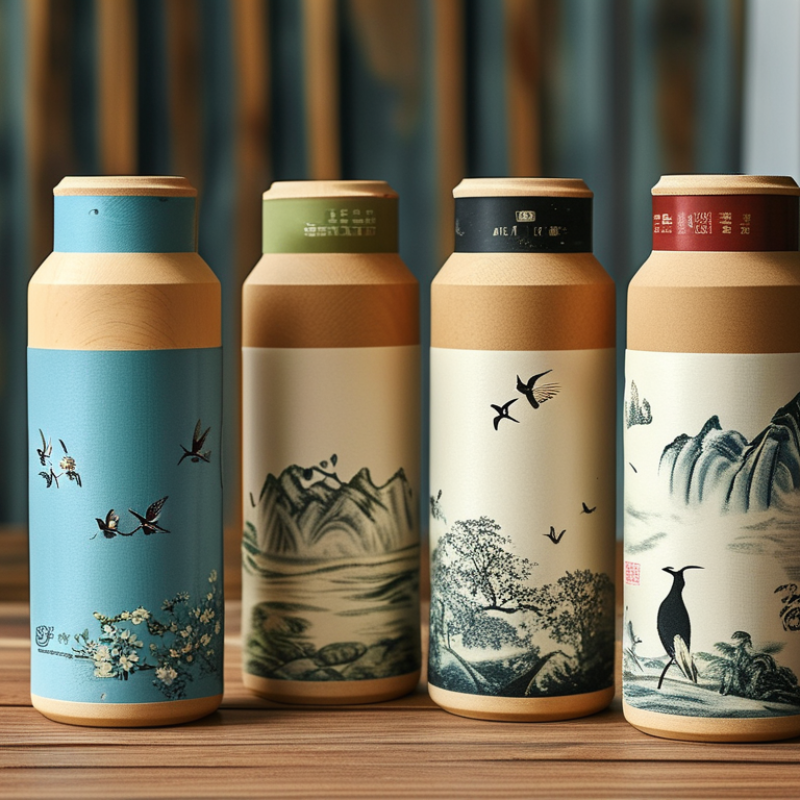
A Drink Carrier is a packaging structure that holds cups securely during transport. It may use molded paper, recycled board, or other food-safe materials. Common designs include two-cup and four-cup holders. They help prevent spills, tipping, and uncomfortable carrying. Small details matter. A wet cup can quickly weaken a poorly designed carrier.
Choosing a China Drink Carrier manufacturer affects safety, consistency, and delivery reliability. A capable supplier should understand cup diameter, lid height, load weight, and storage conditions. Ask for production samples, material specifications, and food-contact documentation. Request compression and moisture-resistance tests when drinks may travel far. Factory experience also matters because accurate cutting and folding reduce loose cups and damaged packaging. Clear communication can prevent costly changes after production begins.
A practical factory review should include equipment, quality records, and process controls. Check how workers inspect dimensions and printing during production. Ask whether batch numbers support traceability. In my experience, a sample may look excellent and still fail after twenty minutes beside a cold drink. That mistake is easy to miss. Suppliers should explain their testing limits instead of promising perfection. Pricing deserves careful review too. A lower quote may hide thinner material, weaker glue, or less inspection time. Some choices remain uncertain, especially when the final carrier meets unfamiliar cup sizes. That uncertainty deserves testing, not guesswork.
China makes several Drink Carrier types, each suited to different serving conditions.
Paperboard cup carriers are common for takeaway coffee, tea, and juice. They use folded slots, locking tabs, or reinforced handles.
Molded pulp carriers offer stronger cushioning for glass bottles and heavier drinks.
Corrugated carriers provide better stacking strength during delivery. Some factories also produce reusable plastic carriers for catering and warehouse circulation.
Material choice should match the drink weight, moisture level, and transport distance.
China’s paper and paperboard output exceeded 120 million tonnes in 2022, according to FAOSTAT data. This large manufacturing base supports stable sourcing for paper carriers.
Grand View Research estimated the global Paper Packaging market at more thanUS$400 billion in 2023. That figure reflects strong demand for recyclable fiber formats, but it does not guarantee every carrier is recyclable in practice.
For insulated delivery, manufacturers can combine corrugated board with paper liners or foam-free thermal structures.
Reusable polypropylene carriers suit repeated handling, although their environmental value depends on return rates and cleaning systems.
Request compression tests, moisture resistance data, material certificates, and sample trials before placing an order.
A carrier may look strong on a dry table, then soften beside melting ice. That is an easy detail to miss.
Suppliers should also confirm slot dimensions, handle strength, printing tolerance, and packaging quantity. Cost comparisons alone can create poor decisions.
Evaluating China’s Drink Carrier manufacturing capabilities requires more than comparing catalog photos. Begin with the factory’s experience in producing similar packaging, including a6 Drink Carrier designed for different cup sizes. Ask for production samples, material specifications, and recent quality records. A reliable manufacturer should explain board thickness, coating type, die-cutting tolerance, and handle reinforcement clearly.
Check how the factory controls daily production. Observe whether workers inspect folding accuracy, glue bonding, and edge strength during assembly. Request test results for static load, vibration, stacking, and humidity exposure. These details matter. A carrier may look strong on a dry sample but weaken after condensation forms around cold cups. Confirm whether the factory uses calibrated testing equipment and keeps batch records for traceability.
Production capacity also depends on process stability. Review equipment maintenance, mold availability, raw material storage, and backup suppliers. Ask how defects are isolated before shipment and how corrective actions are documented. An on-site audit or independent inspection can reveal crowded storage areas, inconsistent printing, or rushed packing. I would not rely on promises alone. Samples reveal little. A better assessment compares several production batches and checks performance after transport simulation. Small weaknesses may not appear until real delivery conditions, so procurement teams should leave room for testing, revisions, and honest reconsideration.
How to evaluate China’s Drink Carrier manufacturing capabilities through the key criteria used in practical packaging procurement.
The recommended weighting prioritizes food-contact compliance, production reliability, and quality consistency, followed by customization, material capability, and export logistics. Buyers can adjust these percentages according to product type, order volume, and destination-market requirements.
When comparing Drink Carrier manufacturers in China, material choice often reveals production experience. Paperboard carriers suit short trips and printed promotions. Molded pulp feels sturdier and handles condensation better. Recycled plastic supports repeated use, but its value depends on recovery systems. Ask for samples, not only certificates. Test it wet.
Design comparison should include load balance, handle comfort, cup diameter, and stacking space. A four-cup carrier should stay level when one drink is removed. Check whether the handle cuts into fingers after several minutes. Small locking tabs can prevent movement, but overly tight slots may damage thin cups. Measure carriers with real cups, ice, and lids. Laboratory results alone can miss delivery conditions.
Reliable manufacturers should provide food-contact documentation, production tolerances, and clear quality records. Request samples from different batches when possible. Inspect glued seams, folded corners, printing odor, and surface softness. A low quotation may hide weak fiber, unstable tooling, or extra packaging costs. That mistake is easy to make. Environmental claims also need careful checking; recycled content percentages should be supported by traceable documents. I would compare actual failure rates before choosing the most attractive design. One overlooked detail can affect thousands of daily orders.
| Carrier Design | Primary Material | Typical Capacity | Structural Performance | Moisture Resistance | Thermal Performance | Reuse and End-of-Life | Recommended Applications | Main Trade-Offs |
|---|---|---|---|---|---|---|---|---|
| Molded Pulp Beverage Carrier | Recycled paper fiber or molded cellulose pulp. Commonly produced from recovered paper or agricultural fiber. | Usually 2, 4, or 6 cups. Commonly designed for standard takeaway cup sizes. | Good vertical separation and grip when the cup wells are correctly sized. Folded or molded locking features can improve stability. | Moderate to low without a coating. Prolonged contact with condensation or liquid can soften the fiber. | Provides limited insulation because of its fibrous structure. It is not a substitute for a dedicated insulated cup sleeve. | Generally suitable for paper recycling when clean and accepted by the local recycling system. Fiber recovery may be reduced by plastic or moisture-resistant coatings. | Coffee shops, takeaway counters, delivery orders, and short-distance transport. | Moisture sensitivity and dimensional variation can occur. Molded tooling may add initial development cost. |
| Folded Kraft Paperboard Carrier | Virgin or recycled kraft paperboard, often in the approximate 300–500 gsm range depending on load requirements. | Commonly 2 or 4 cups. Multi-cup versions require reinforced bases and dividers. | Efficient flat-sheet design with locking tabs, cup openings, and reinforced handles. Performance depends strongly on board caliper and crease quality. | Moderate. Aqueous or dispersion coatings can improve resistance, but coatings may affect recycling. | Low insulation. Best used with hot cups that already contain their own insulating structure or sleeve. | Often recyclable as paper if free from heavy food contamination and non-paper laminations. Flat-packed storage reduces transport volume. | High-volume foodservice, event catering, cafés, and cost-sensitive delivery programs. | Can deform under high condensation or overloading. Handle comfort may be lower than molded or reusable designs. |
| Corrugated Fiberboard Carrier | Fluted corrugated fiberboard with kraft paper liners. Flute profiles provide additional stiffness and cushioning. | Commonly 2, 4, or 6 beverage positions. Larger formats can be engineered for mixed food-and-drink orders. | Higher compression and impact resistance than a single paperboard sheet, especially when the flute direction is aligned with the load. | Moderate to low unless treated. Water and condensation can reduce edge crush strength. | Limited insulation, although the air space in the fluting provides some thermal resistance. | Widely recyclable as corrugated fiberboard when clean and free of incompatible coatings. Flat-pack construction supports efficient logistics. | Delivery services, meal combinations, larger cup formats, and applications requiring extra rigidity. | Thicker than flat paperboard and may require more storage space. Exposed edges can absorb moisture. |
| Reusable PP Carrier with Handle | Injection-molded polypropylene (PP), a durable thermoplastic commonly used for reusable foodservice products. | Typically 2 or 4 cups, with cup wells sized for a defined diameter range. | High rigidity and good impact resistance. Integral handles and nesting features can improve repeated-use performance. | High resistance to liquid water and condensation. PP does not absorb water under normal use. | Limited insulation unless a double-wall or insulated construction is added. Suitable temperature limits depend on the specific PP grade and design. | Designed for repeated washing and reuse. PP is technically recyclable in many systems, but collection and sorting access varies by region. | Closed-loop cafés, offices, campuses, stadiums, and deposit-return takeaway programs. | Higher purchase price, greater weight, and the need for collection, washing, and return logistics. |
| rPET Reusable or Semi-Rigid Carrier | Recycled polyethylene terephthalate (rPET) sheet or thermoformed material. Material properties depend on recycled content and forming process. | Usually 2 or 4 cups. Transparent or semi-transparent structures are possible. | Good dimensional stability and surface rigidity. Design should include rounded corners and reinforced handle areas. | High resistance to moisture and condensation. It is not intended for direct exposure to high heat unless specifically engineered for that purpose. | Low insulation in thin thermoformed designs. Better suited to cold drinks or ambient-temperature transport. | PET recycling streams exist in many markets. Recycling performance depends on color, additives, labels, and local sorting infrastructure. | Cold beverages, promotional packs, transparent presentation, and controlled reuse systems. | Less suitable for hot-drink handling and can lose rigidity under elevated temperatures. Clear recycled content may vary in appearance. |
| Silicone or TPE Flexible Carrier | Food-contact-grade silicone rubber or thermoplastic elastomer (TPE), selected according to the required flexibility and temperature range. | Commonly 2 cups, with flexible openings that can accommodate several cup diameters. | Flexible and shock-absorbing. Stability depends on the bottom geometry, handle stiffness, and cup retention design. | Very high moisture resistance. Flexible surfaces are easy to wipe, but seams and textured areas require careful cleaning. | Silicone generally tolerates a broad temperature range, while TPE limits vary by formulation. The carrier itself is not necessarily an insulating product. | Reusable and washable. Recycling options are more limited than for common paper, PP, or PET streams. | Premium reusable programs, compact storage, specialty beverage delivery, and flexible cup-size systems. | Higher material cost, possible odor retention, and more complex end-of-life handling. Soft structures may be less stable when heavily loaded. |
| Paperboard Carrier with Plastic or Dispersion Coating | Paperboard substrate with a moisture-resistant coating such as aqueous dispersion, polyethylene, or another polymer-based barrier. | Commonly 2 or 4 cups. Capacity depends on board grade, coating, and handle construction. | Good balance between low weight and short-term load support. Coating can help preserve strength during condensation exposure. | Higher than uncoated paperboard. Barrier performance varies by coating thickness, coverage, and edge sealing. | Low insulation unless combined with a separate insulated structure. | Coated paper may require specialized recycling. Polymer-lined formats can be less widely accepted than uncoated fiber products. | Cold drinks, humid delivery conditions, and applications requiring improved short-term wet strength. | Improved moisture resistance can complicate recycling. Coatings may increase material cost and affect printing or converting. |
When choosing China’s top drink carrier manufacturers, compliance deserves more attention than appearance. A 4 Cup Drink Carrier touches beverage cups, hands, and transport surfaces. China’s GB 4806.8 standard covers paper, paperboard, and molded fiber food-contact materials. Manufacturers should also understand FDA 21 CFR requirements and the EU Framework Regulation 1935/2004 when exporting. These rules address migration, raw materials, inks, adhesives, and production hygiene.
The World Health Organization estimates that contaminated food causes about 600 million illnesses annually. Packaging is not the only cause, but weak material control increases avoidable risk. Ask for migration testing from an accredited laboratory. Check limits for heavy metals, fluorescent substances, and unwanted chemical transfer. ISO 22000 certification can show a stronger food-safety system, although it does not replace product-specific testing. I have seen attractive carriers fail because the adhesive softened under condensation. Appearance can mislead.
Tips: Request a current test report for the exact carrier structure. Confirm paper grade, coating, adhesive, and recycled content. Test the loaded carrier with cold and hot drinks. Check compression strength after moisture exposure. If a supplier claims compostability, ask for certification under the relevant market standard, such as ASTM D6400 or EN 13432. Claims need evidence. One overlooked detail is traceability: batch codes, retained samples, and corrective-action records make quality problems easier to investigate. Suppliers should welcome these questions, not treat them as distrust.
When comparing a Drink Holder Carrier supplier in China, start with a written quotation. Ask for material grade, dimensions, printing method, packaging, and shipping terms. A low unit price may exclude molds, setup, export packing, or inspection. Request an itemized cost sheet. It reveals hidden differences. Review recent production samples and quality records before comparing prices.
Minimum order quantities deserve equal attention. A factory may quote 1,000 pieces, then require 5,000 pieces for a custom color. Ask whether mixed colors or trial orders are possible. Check sample charges and refund conditions. A practical test uses your actual cup sizes and filled-weight requirements. Measure fit, handle strength, and stacking space. Do not trust photographs alone.
Production timelines should separate sampling, tooling, mass production, and dispatch. Ask for calendar dates, not vague promises. Confirm raw-material availability before approving the order. A realistic schedule may include seven days for samples, two weeks for tooling, and three to five weeks for production. Complex printing can add time. Build a buffer for inspection and port delays. A common sourcing lesson is simple: cheap quotes can hide expensive delays. Artwork approval is often assumed, not documented. That mistake is avoidable. Keep every change in a dated specification sheet.
Choosing a China Drink Bottle Carrier manufacturer should begin with evidence, not attractive product photos. UNEP’s 2023 Turning off the Tap report says plastic pollution could be reduced by 80% by 2040 through reuse, recycling, and redesign. That target makes material durability commercially important. Ask for fabric composition, coating details, recycled-content records, and food-contact declarations. A carrier touching bottles needs controlled materials.
Request a working sample before discussing volume pricing. Test it with filled bottles, wet hands, sharp table edges, and a 24-hour hanging load. Check handle stitching, seam strength, base stability, insulation, and odor after washing. ISO 2859-1 offers a recognized sampling approach for incoming inspection. Ask the factory to state its acceptance limits. Supplier audits should review equipment, worker training, corrective-action records, and batch traceability. A polished catalog is not proof.
Compare three factories using the same specification sheet. Record sample lead time, minimum order quantity, tooling fees, production capacity, and export documents. An IBM and NRF 2020 consumer study found that nearly eight in ten people value sustainability, while 70% of them would pay more for sustainable products. This supports reusable, washable carrier designs. Do not accept vague claims such as eco-friendly.
Request dated test results and laboratory details. Factory videos can hide subcontracting. A live video audit helps, but an on-site inspection is stronger. Choose the manufacturer that explains failures clearly, not the one promising everything at the lowest price.
The manufacturer should follow food-contact rules for paper, paperboard, and molded fiber. Export markets may require additional migration and hygiene controls.
Materials, coatings, inks, and adhesives can transfer unwanted chemicals. A general certificate may not cover the exact carrier structure.
Request migration testing from an accredited laboratory. Check heavy metals, fluorescent substances, and chemical transfer limits.
Fill it with hot and cold drinks. Test wet hands, condensation, sharp table edges, and a 24-hour hanging load.
Check handle stitching, seam strength, base stability, compression strength, odor, and moisture resistance. Small failures matter.
Request fabric composition, recycled-content records, coating details, and dated certifications. “Eco-friendly” alone proves very little.
Review batch codes, retained samples, corrective-action records, worker training, and equipment controls. Traceability makes problems easier to investigate.
Give each factory the same specification sheet. Compare samples, minimum order quantities, tooling fees, capacity, lead times, and export documents.
No. Product photos can hide weak seams, subcontracting, or poor moisture performance. A live audit helps, but an on-site inspection is stronger.
Not usually. Cheap carriers may fail during transport or condensation exposure. I would value clear failure explanations over perfect promises.
Choosing the right China Drink Carrier manufacturer requires more than comparing unit prices. A drink carrier is designed to hold and transport beverages securely, so manufacturers should be evaluated by their production experience, material options, structural designs, customization capabilities, and ability to maintain consistent quality. Common choices may include paper, molded fiber, plastic, and other practical formats, each offering different benefits in strength, sustainability, appearance, and cost.
Buyers should compare product samples, load-bearing performance, printing or molding quality, packaging methods, and relevant safety and compliance documentation. It is also important to review minimum order quantities, tooling costs, production capacity, lead times, communication efficiency, and after-sales support. The best supplier is one that can balance durability, design flexibility, responsible material selection, reliable delivery, and competitive pricing while meeting the specific requirements of restaurants, retailers, events, or beverage distributors. A clear specification and careful factory assessment can help reduce risks and build a stable long-term supply relationship.