When you're into baking and cake decorating, picking the right Mdf Cake Board really makes a difference. A good quality board doesn’t just support your cake well but also makes your whole presentation look nicer. Honestly, a lot of bakers sometimes overlook this part, but it’s pretty important. You want something sturdy that can handle moisture and weight without buckling, all while still looking sleek. With so many options out there, though, how do you even choose?
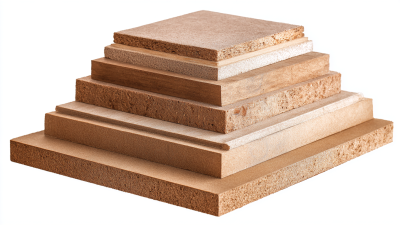
First off, understanding what MDF is all about helps. It’s pretty durable, but it does tend to soak up moisture if you’re not careful. If that’s not a deal-breaker for you, then it’s definitely worth considering. Keep in mind, not all Mdf Cake Boards are created equally—some might warp or even break under pressure. So, pay attention to the thickness and quality. Thinner boards can be easier to work with at first, but they might not hold up when you're dealing with heavier cakes.
When searching, it’s a good idea to look for brands with solid reviews—like Bakery Essentials or Crafty Bakers. Sometimes, local suppliers might surprise you with better options too. The key is finding what fits your needs best. Don’t be afraid to test out a few different types and see what works for you. And honestly, listening to feedback from other bakers or your own experience is the best way to find a reliable choice that you'll be happy with.
Understanding MDF Cake Boards: What You Need to Know
Mdf Cake Boards are essential for any cake decorator. They offer a sturdy, flat surface for cakes, allowing for better presentation and support. MDF, or medium-density fiberboard, provides a balance of durability and weight. According to industry data, these boards can hold up to 100 pounds, making them ideal for substantial wedding cakes or multi-tiered designs.
Understanding the properties of MDF is crucial. It's composed of wood fibers bonded together under heat and pressure. This manufacturing process results in a smooth finish, perfect for decorating. However, not all Mdf Cake Boards are the same. Thickness varies significantly, affecting stability. A board that is too thin may bend under pressure. Therefore, it's important to consider the weight of the cake when choosing an Mdf Cake Board.
Mdf Cake Boards can absorb moisture, so they should be kept dry. Some decorators choose to cover their boards to enhance durability. Despite their advantages, these boards can be less eco-friendly than alternatives like cardboard. They are not biodegradable, raising concerns among environmentally conscious bakers. Balancing performance and sustainability is a key consideration for modern cake decorators.
Top Tips for Choosing the Best MDF Cake Board for Your Needs
| Feature | Description | Pros | Cons |
| Thickness | Common thickness options range from 3mm to 12mm. | Sturdiness, supports heavier cakes. | Heavier boards may be harder to handle. |
| Size | Available in various diameters to fit different cake sizes. | Customizable for all types of cakes. | Need to choose size carefully for aesthetics. |
| Finish | Can come in plain, colored, or decorative finishes. | Enhanced visual appeal. | Decorative finishes may cost more. |
| Water Resistance | Some MDF boards are treated to resist moisture. | Prevents warping and degradation. | Not all boards have this feature. |
| Eco-Friendliness | Some boards are made from sustainably sourced materials. | Good for environmentally-conscious consumers. | Limited options may be available. |
Types of MDF Cake Boards and Their Unique Features
When selecting an Mdf Cake Board, it's essential to understand the different types available. Mdf Cake Boards vary in thickness and size. A common option is the 4mm Mdf Cake Board, which offers a solid base for your creations. This thickness provides enough support for heavier cakes without bowing. Additionally, it can be easily covered with fondant or decorative paper for a polished look.
Beyond thickness, consider the shape as well. Round boards are popular for tiered cakes, while square ones suit other styles. Some boards even feature a bevelled edge, enhancing the overall presentation. The weight of the board also matters. A heavier board can add stability but may be challenging to transport. Finding the right balance is key to ensuring your cake stays intact until it's time to serve.
Another factor is the board's surface finish. Some MDF boards come with a smooth finish, while others are more textured. This can affect how well icing adheres. Experimenting with different finishes could help you discover what works best for your recipes. As you explore options, reflect on your specific needs. Each baker has unique preferences, and recognizing yours can lead to better baking experiences.
Factors to Consider When Choosing the Right Size
When selecting an MDF cake board, size matters greatly. The board should accommodate the dimensions of your cake comfortably. A board that is too small may lead to accidents during transport. Conversely, a board that is excessively large may look awkward, overshadowing your cake's design.
Consider the height and shape of your cake. Multi-tier cakes require larger boards. Ensure your board offers enough support. Look for boards thick enough to handle the weight of your cake without bending. A flimsy board could collapse under pressure, ruining your creation.
Tip: Measure your cake before purchasing a board. This avoids miscalculations. Don’t forget to account for decorations and frosting that may extend beyond the cake's edges. Another important point is to weigh your budget against the quality. Sometimes, cheaper boards lack the strength you need. Prioritize durability to ensure your masterpiece stays intact.
Evaluating the Thickness and Strength of MDF Cake Boards
When choosing an MDF cake board, thickness and strength are crucial factors. Industry reports indicate that a thickness of 3mm is ideal for most cake types. This thickness provides a good balance between support and manageability. A thinner board may warp under the weight, while a thicker board can be cumbersome to handle, especially for large cakes.
MDF cake boards come with varying strength ratings. A study by the Baking and Pastry Institute found that boards with a stronger core can support up to 20% more weight. This is essential when creating multi-tiered cakes, which can be quite heavy. Choosing a board that can withstand stress is not just about size. It’s also about the materials used and the manufacturing process.
Many bakers overlook the quality of the MDF. Not all boards are made equally, and some may crumble or break under pressure. This can lead to a messy situation in the middle of an important event. To avoid this, it's vital to evaluate not just thickness but also the overall construction quality. A solid MDF cake board, such as the Mdf Cake Board 3mm, can make a difference in your baking success.
Thickness and Strength Comparison of MDF Cake Boards
Tips for Cost-Effective Shopping for MDF Cake Boards
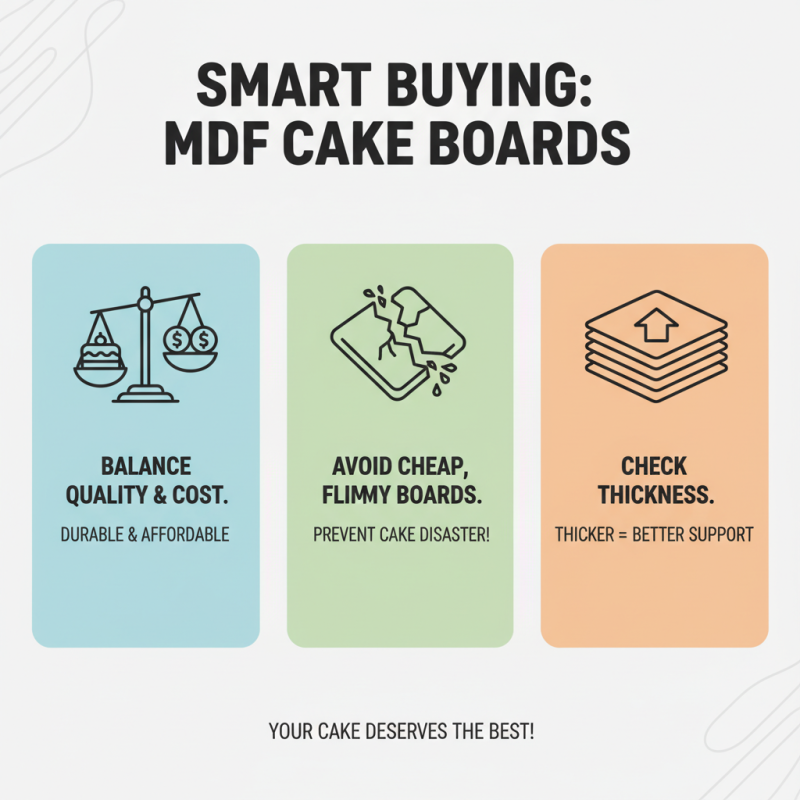
When shopping for MDF cake boards, consider both quality and cost. Find options that balance durability and affordability. Some boards may seem cheaper but lack strength. A flimsy board can ruin a beautiful cake. Look for thickness; a thicker board often provides better support.
Explore bulk purchasing options to save money. Buying in larger quantities can lower the price per unit. Join local bakery groups or online forums. Sharing experiences can lead to recommendations for reliable suppliers. Don’t forget to check for sales or discounts. Being patient may yield better deals.
Remember to assess your regular cake sizes. Some boards come pre-cut while others need customization. Measuring correctly can help avoid mistakes. Don’t hesitate to ask sellers about their products. Knowledgeable sellers can guide you to the right choices. If uncertain, consider testing a few boards before committing to larger orders.
How to Properly Maintain and Store Your MDF Cake Boards
Properly maintaining and storing MDF cake boards is crucial for their longevity. These boards, often made from compressed wood fibers, can absorb moisture, which may lead to warping or degradation. Industry reports indicate that proper storage conditions can extend their lifespan significantly, sometimes by up to 50%. Keeping these boards in a cool, dry place is essential. Avoid areas with high humidity, as moisture is a primary enemy.
When it comes to cleaning, gentle methods are best. Use a damp cloth and mild detergent to wipe away cake residue. Harsh chemicals can damage the MDF surface. After cleaning, ensure the boards are completely dry before storing. Storing them stacked can help save space, but always use a separator to prevent scratches and dents. Regular inspection for damage or wear will help you identify issues early, potentially saving you from unexpected replacements.
Another key aspect of maintenance involves understanding the weight tolerance of your MDF boards. Reports show that overloading can result in bending or breaking. Knowing the specifications can help prevent mishaps. Consider reinforcing your boards for heavier cakes, as this foresight can save both time and resources. It's a small detail that could save your creations from collapse.
Common Mistakes to Avoid When Selecting MDF Cake Boards
When choosing an MDF cake board, it’s crucial to avoid common pitfalls. One frequent mistake is overlooking the thickness. A board that is too thin can warp under the weight of your cake, causing it to collapse. The ideal Mdf White Cake Board should have a thickness that can support your cake securely. Check the size carefully as well; ensuring the board is larger than your cake will help give it stability.
Another error is neglecting the finish of the MDF board. A rough or poorly finished surface can cause damage to your cake's decoration. Always inspect the texture. A smooth, well-prepared MDF board ensures an elegant presentation. Additionally, it’s easy to be swayed by price alone. A cheaper board may save money upfront but might compromise the quality you need for your event.
Some may forget to consider the purpose of their board. If you're transporting a cake, sturdiness is vital. Many assume all MDF boards are the same, which isn't true. Each board varies in strength. Make a choice based on specific needs to avoid regrets later on.
FAQS
: Size is crucial for safely transporting your cake. A small board risks accidents, while a large board can look awkward.
Multi-tier cakes need larger boards. Ensure the board supports the cake's weight without bending or collapsing.
Measure your cake before purchasing. Include decorations and frosting that extend beyond the edges for accuracy.
A thickness of 3mm is ideal. It balances support and manageability, while thinner boards may warp under weight.
Not all boards are equal. Poor quality boards may crumble under pressure, risking your cake at important events.
Common errors include choosing a board that’s too thin, overlooking the finish, and prioritizing price over quality.
A rough surface can damage decorations. Always choose a well-finished board for a smooth and elegant presentation.
No, boards vary in strength. Always check the specifications to find one that meets your specific needs.
Cheaper boards may seem cost-effective, but they can lack the durability required, leading to potential regrets later.
If transporting, ensure the board is sturdy. Not all boards provide the stability your cake needs during transit.
Conclusion
When selecting the ideal MDF cake board for your baking needs, it's essential to understand the basics of MDF cake boards, including their various types and unique features. Pay attention to crucial factors such as the right size, as well as the thickness and strength of the board, to ensure it can support your cake effectively.
To shop cost-effectively, look for deals while considering maintenance and storage techniques that will help prolong the life of your MDF cake boards. Additionally, be aware of common mistakes, such as underestimating board thickness or choosing the wrong size, to avoid pitfalls during your selection process. By following these tips and guidelines, you can confidently choose the best MDF cake board for your culinary creations.
 +86-18394093613

 Contact Phone
 Contact Email