+86-18394093613 


So the global cake market keeps growing, right? But at the end of the day, every celebration still comes down to one pretty basic question: can the packaging actually protect the cake? A Cake Box has to hold its shape, keep things fresh, look good, and carry the brand identity all the way from the bakery counter to the customer's table. And ideally, it should open cleanly (no fighting with it), stack without wobbling, stand up to grease, and not create a bunch of unnecessary waste.
If you've been wondering whether this category is worth a closer look, recent packaging studies make a pretty good case for it. Smithers' The Future of Global Packaging to 2028, for example, points to sustainability, material efficiency, and e-commerce protection as some of the biggest packaging priorities right now. Grand View Research also notes that the global paper packaging market keeps growing, largely thanks to food delivery and retail demand. Of course, these reports aren't looking at cake boxes specifically. And honestly, that gap is kind of important. Still, they do give you a pretty clear picture of the commercial pressures behind Bakery Packaging these days—and that's true just about everywhere.
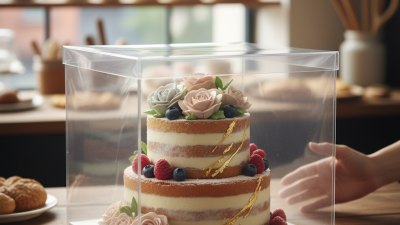
Packaging specialist Lisa McTigue Pierce once described packaging as “a silent salesperson.” And honestly? That idea fits premium Bakery Boxes especially well. A window lets you show off piped frosting. A rigid base helps keep a layered cake from sliding around. A recyclable paperboard structure can signal responsibility before anyone even cuts the first slice. But looks alone won’t cut it. Poor ventilation may soften decorations, while weak corners can let a cake get damaged during transport.
So here's our rundown of the Top 10 Cake Box Manufacturers and Suppliers Worldwide. We looked at things like material quality, how easy it is to customize, production capacity, food-contact safety, delivery reach, and what the customer experience is actually like in practice. And honestly? No ranking is ever perfect. A small bakery might care most about low minimum orders, while a big retailer may want automation and a steady supply. The best supplier isn't always the largest one—it's the one that fits your cake, your delivery route, and your real-world budget.
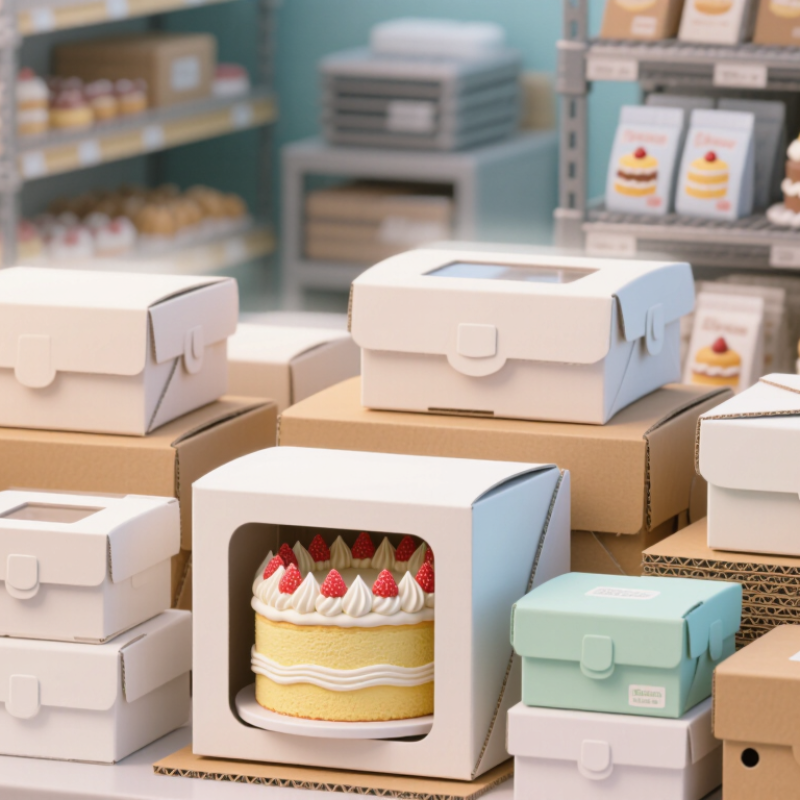
Cake Boxes are containers designed to protect, present, and transport cakes from bakery counter to customer table.
They commonly use food-contact paperboard or corrugated board. Some include windows for product visibility. Others use solid panels to improve light protection and privacy. Size, height, and structure must match the cake, not merely the bakery’s standard tray.
Good packaging controls movement, pressure, moisture, and temperature changes during delivery. A tight base reduces sliding when a vehicle turns. A strong lid helps protect piped decorations and tall toppings. A grease-resistant surface prevents buttercream from weakening the board.
Small details matter. Ventilation can reduce condensation, although too many openings may expose the cake to dust or handling. Practical testing should include stacking, lifting, and short-distance transport.
Packaging also communicates quality before the first slice.
Clean edges, accurate folds, and a stable handle can make a handmade cake feel more dependable. However, appearance should not replace performance. A glossy box may still collapse under a heavy sponge. That is easy to overlook.
Manufacturers and suppliers should confirm board strength, food-contact suitability, printing safety, and recycling guidance with buyers. Regional storage conditions deserve attention too. Humid warehouses can change box stiffness before use. A thoughtful specification records cake weight, dimensions, decoration height, delivery distance, and expected storage time. Without these details, even a well-designed Cake Box may protect one product and fail another.
Modern Cake Boxes depend on carefully selected paper-based materials. Folding boxboard offers a smooth surface for printing and reliable folding. Kraft paperboard adds a natural texture and visible strength. Recycled fibers reduce raw material demand, but their quality can vary between production batches.
Cake Box Uksuppliers often choose corrugated board for taller cakes or heavier decorations. Its fluted center absorbs pressure during transport. Rigid paperboard provides stronger walls for premium presentation. However, thicker board may increase storage space and shipping weight. Window panels commonly use PET or cellulose film. Cellulose can support a paper-focused design, while PET offers clear visibility and useful toughness. Water-based adhesives and low-odor inks are preferred for Food Packaging applications, subject to local requirements.
Moisture remains a practical concern. Cream frosting can soften an uncoated inner surface. A suitable barrier coating helps, but it must match food-contact standards. Grease resistance also matters around buttercream, chocolate, and fruit fillings. In packing tests, a box may look excellent yet fail near a damp refrigerator. That weakness deserves attention. Not every recycled board performs perfectly. Manufacturers should test compression, humidity exposure, folding accuracy, and window adhesion before regular production. Small details matter, including a lid that closes without scraping the cake surface. Some designs still use excessive material for appearance alone. A lighter structure can work better, but only after realistic handling trials.
| No. | Common Cake Box Format | Primary Material | Typical Material Specification | Structural Features | Typical Performance and Applications | End-of-Life Considerations |
|---|---|---|---|---|---|---|
| 1 | Folding Carton Cake Box | Bleached folding boxboard, commonly solid bleached sulfate paperboard | Approximately 250–400 gsm; flat-packed, die-cut construction | Locking tabs, tuck flaps, optional handle, and a separate paperboard insert | Suitable for cupcakes, pastries, small cakes, and standard bakery takeaway orders; offers a smooth printable surface. | Generally recyclable when clean and free from plastic windows, heavy lamination, and food residue. |
| 2 | Recycled Paperboard Cake Box | Recycled fiber paperboard, including coated or uncoated recycled board | Approximately 300–500 gsm, depending on box size and load requirements | Reverse-tuck or crash-lock base; may include recycled paper inserts | Provides a lower-virgin-fiber option for everyday cakes and bakery products; suitable for offset or flexographic printing. | Recyclability depends on coatings, grease contamination, adhesives, and local paper-recycling requirements. |
| 3 | Kraft Paper Cake Box | Unbleached kraft paperboard made primarily from wood fiber | Approximately 300–450 gsm; brown or natural kraft appearance | Folded construction with tuck-in flaps, locking corners, or a die-cut viewing panel | Popular for artisan bakeries and natural-style packaging; provides good stiffness and a distinctive unbleached appearance. | Usually compatible with paper recycling when uncoated and free from food contamination; grease barriers may affect recycling. |
| 4 | Micro-Flute Corrugated Cake Box | Paper linerboard combined with a fine corrugated fluting layer | Commonly E-flute or F-flute; often about 1–2 mm in combined thickness | Reinforced corners, crush resistance, optional locking base, and room for cake inserts | Offers more cushioning and stacking strength than ordinary carton board while maintaining a relatively compact profile. | Typically recyclable as corrugated fiberboard if plastic laminates, metalized films, and excessive food residue are absent. |
| 5 | Single-Wall Corrugated Cake Shipping Box | Kraft or recycled linerboard with a corrugated medium | Commonly B-flute or E-flute; approximately 2–4 mm overall thickness | Full-overlap flaps, protective inserts, corner supports, and space for insulation or gel packs | Designed for stronger protection during local delivery and parcel shipping; suitable for larger or heavier cakes. | Widely recyclable through corrugated-paper collection systems when kept dry and reasonably clean. |
| 6 | Window Cake Box | Paperboard box with a transparent cellulose film or plastic window | Paperboard commonly ranges from 300–450 gsm; window film thickness varies by material | Die-cut display window, tuck flaps, and optional internal cake board or insert | Allows product visibility for decorated cakes, cupcakes, and gift assortments; supports retail presentation. | Paperboard is recyclable, but the window may need removal unless the complete package is accepted by the local recycling system. |
| 7 | Rigid Setup Cake Box | Rigid greyboard or chipboard wrapped with printed paper | Commonly about 1.2–2.5 mm board thickness; supplied pre-assembled | Fixed walls, hinged lid or lift-off lid, magnetic or ribbon closure, and custom-fitted inserts | Provides a premium unboxing experience and high compression resistance for celebration cakes and gift packaging. | Recycling may be limited by fabric, magnets, ribbon, foam, plastic coating, and mixed-material construction. |
| 8 | Molded Fiber Cake Tray and Cover | Molded pulp produced from recycled paper, bagasse, or other plant fibers | Fiber thickness varies by mold and product weight; usually formed as a fitted tray | Contoured cavities, anti-slip surfaces, stacking ribs, and a separate paperboard or fiber cover | Useful for cupcakes, slices, and smaller cakes requiring product stabilization and separation during transport. | Often recyclable or compostable depending on additives, coatings, inks, and local waste-management facilities. |
| 9 | Paperboard Cake Box with Grease Barrier | Paperboard with a water-based, dispersion, wax, or polymer-based barrier coating | Usually 300–450 gsm, with coating selected for grease and moisture resistance | Folded box with a coated base, grease-resistant insert, and optional ventilation openings | Helps reduce oil and moisture migration from cream, frosting, chocolate, and butter-based products. | Recyclability varies significantly; barrier chemistry and local mill acceptance should be verified before making disposal claims. |
| 10 | Reusable Plastic Cake Carrier | Food-contact polypropylene or other rigid food-grade plastic | Rigid reusable body with snap-fit lid, locking clips, and molded cake base | Secure closure, carrying handle, internal support, and washable surfaces | Designed for repeated transport of cakes and pastries; provides strong moisture resistance and product protection. | Reusable systems can reduce single-use packaging when returned and used repeatedly; recycling depends on resin identification and local facilities. |
Choosing among the top cake box manufacturers and suppliers requires more than comparing prices. Start with material quality, food-contact safety, and structural performance. Ask for samples made with the same board grade and printing process used in production. Test each box with a decorated cake, chilled frosting, and a short delivery route. Check whether corners bend, lids loosen, or grease marks appear.
Reliable suppliers provide clear specifications, factory details, and test records. Review board thickness, coating type, box dimensions, minimum order quantities, and production lead times. Certifications can support trust, but they should match the actual facility and product. Request recent documents, not generic files. Confirm how suppliers control moisture, color consistency, and odor during manufacturing. Small details matter.
Communication reveals practical competence. A strong supplier answers technical questions directly and reports problems early. Ask about replacement policies, shipping protection, and production updates. Sustainable materials may be valuable, but vague environmental claims deserve careful checking. No scorecard is perfect. A supplier with the lowest quotation may create costly delays later. Another may offer excellent samples but struggle with large orders. Keep written records, compare evidence, and reassess performance after each shipment. Availability, quality, and responsible production should remain balanced.
The worldwide cake box supply chain is shifting toward lighter, recyclable, and food-safe packaging. A 2024 Smithers packaging outlook estimates that global packaging demand exceeds one trillion US dollars annually. This scale increases pressure on suppliers to improve materials, printing, and delivery reliability. Cake boxes now need more than attractive surfaces. They must protect soft frosting, resist grease, and remain stable during transport.
Experienced manufacturers usually offer several board grades, locking systems, and window options. A 9x9 Cake Box, for example, should hold its shape around a square cake without crushing the corners. Suppliers should provide food-contact documentation, compression testing, and clear minimum order quantities. Those details matter when a bakery moves from fifty boxes to several thousand. They also reveal whether a factory understands practical production needs.
Recycled paperboard can reduce virgin material use, but it may lose strength in humid storage. That trade-off deserves testing, not optimistic claims. Industry packaging reports published in 2023 and 2024 repeatedly identify sustainability and e-commerce protection as major purchasing factors. However, data alone cannot predict every delivery problem. A box may pass a laboratory test yet fail beside a warm delivery vehicle. Reliable sourcing therefore depends on sample trials, batch inspections, and honest communication about tolerances. Some suppliers still focus too heavily on appearance. That is a weakness worth questioning.
Selecting among the top 10 cake box manufacturers and suppliers worldwide requires more than comparing prices. Experienced buyers examine product ranges, material quality, and production consistency. Common options include window boxes, drawer-style boxes, cupcake carriers, and rigid gift packaging. A Pet Cake Box may need stronger board, grease resistance, and ventilation for treats.
Customization should match the product, not only the artwork. Suppliers can adjust box dimensions, inserts, handle styles, and closure systems. A small cake may need a firm base to prevent sliding during delivery. Larger designs often require reinforced corners. Ask for a physical sample before approving bulk production. Digital images can hide weak folds.
Printing services usually include offset, flexographic, and digital methods. Each method affects color accuracy, minimum order quantity, and cost. Request a printed proof with the exact logo colors and text. Food-contact materials should come with suitable documentation for the intended market. Check ink adhesion by gently rubbing the surface. It sounds basic. It catches problems.
A reliable supplier should explain lead times, sampling fees, carton packing, and quality checks clearly. Communication matters when specifications change. Still, no supplier is perfect. A beautiful sample may arrive with uneven edges or a loose insert. Record these flaws and ask how they will be corrected before production. That conversation often reveals more than a polished sales presentation.
Product Ranges, Customization, and Printing Services
Choosing among the top ten cake box manufacturers requires more than comparing catalog prices. Packaging teams should inspect board thickness, folding accuracy, and food-contact documentation. A Cake Pop Box must hold sticks securely without crushing decorations. Request samples before approving volume orders. Press the corners, test the locking tabs, and leave filled boxes overnight. Small defects become expensive during holiday production. They do.
Sustainability claims need evidence, not green language. Ask whether the board contains recycled fiber, how much, and whether coatings limit recycling. Prefer water-based inks and minimal windows when product protection allows. Certifications should be current and traceable to the supplied material. A box can look responsible while using a difficult mixed laminate. That weakness deserves review.
Global supply planning depends on more than factory capacity. Confirm minimum order quantities, tooling fees, lead times, pallet dimensions, and backup production sites. An experienced food-packaging supplier should provide test reports for strength, migration, and transport performance. Samples should travel through realistic humidity and vibration conditions. Regional warehousing can reduce delays, but storage may increase handling damage. Forecasts are rarely perfect. Build modest safety stock and document every artwork or material change. Communication matters when shipments arrive with different folds or color density. Photographs help, though physical inspection remains more reliable.
A 10-inch scalloped edge cake board is more than a practical base—it is an essential part of an elegant dessert presentation. Made from premium colored cardboard, it provides a stable surface for cakes while adding a refined frame around every creation. The softly curved edge creates a graceful, decorative effect that complements wedding cakes, birthday desserts, pastries, and other bakery specialties. With the right color, the board can coordinate with a celebration theme or highlight the cake’s decoration without distracting from it.
When choosing a colored cardboard cake board, consider strength, finish, color consistency, and overall presentation. Classic gold offers a timeless, luxurious appearance, while rose gold brings a modern and warm touch to dessert displays. Other colors can be selected to match seasonal collections, event decorations, or a bakery’s visual style. A well-made board should resist bending during handling and provide a clean, polished surface suitable for professional showcases, catering tables, and large events.
As a direct factory supplier in China, we offer flexible customization for sizes, colors, shapes, and packaging requirements. In addition to the 10-inch scalloped design, available options may include distinctive hexagonal boards and other tailored formats. Careful production standards help ensure that each board enhances the appearance of baked goods, making cakes look more inviting and giving clients and guests a memorable visual experience.
Folding boxboard offers smooth printing and reliable folding. Kraft paperboard adds natural texture and visible strength. Corrugated board suits taller cakes or heavier decorations.
Cream frosting can soften an uncoated inner surface. A suitable barrier coating helps protect the box. Test it near a damp refrigerator, not only on a dry table.
Recycled fibers can reduce raw material demand. However, quality may vary between batches. Compression and humidity tests remain necessary. Green choices still need practical proof.
Use a firm base to limit sliding. Reinforced corners help larger designs. The lid should close without scraping frosting. Small flaws matter.
Suppliers may adjust dimensions, inserts, handles, and closure systems. Match the structure to the cake, not merely the artwork. A small cake needs different support from a tall cake.
Digital images can hide weak folds, loose inserts, or uneven edges. A sample reveals real handling performance. It may still mislead. Test it with an actual cake.
Printing methods affect color accuracy, order quantities, and cost. Request a proof with exact colors and text. Rub the surface gently to check ink adhesion. It sounds simple.
Review materials, product consistency, lead times, sampling fees, and quality checks. Ask how defects will be corrected before production. A polished presentation proves very little.
This guide explores the essential role of the Cake Box in protecting baked goods, preserving freshness, and presenting products attractively during storage, transport, and delivery. It explains how modern cake boxes are made from materials such as paperboard, corrugated board, recycled fiber, and food-safe coatings, while highlighting important factors for evaluating manufacturers and suppliers, including product quality, production capacity, customization options, pricing, lead times, and customer service.
The overview of leading global suppliers focuses on their ability to provide varied sizes, shapes, window designs, inserts, printing styles, and branding solutions without compromising structural strength or food safety. It also considers sustainability, responsible material sourcing, recyclable packaging, quality control systems, and reliable international shipping. By comparing product ranges, customization capabilities, and supply standards, buyers can select a suitable partner for both everyday bakery packaging and specialized cake presentation needs.